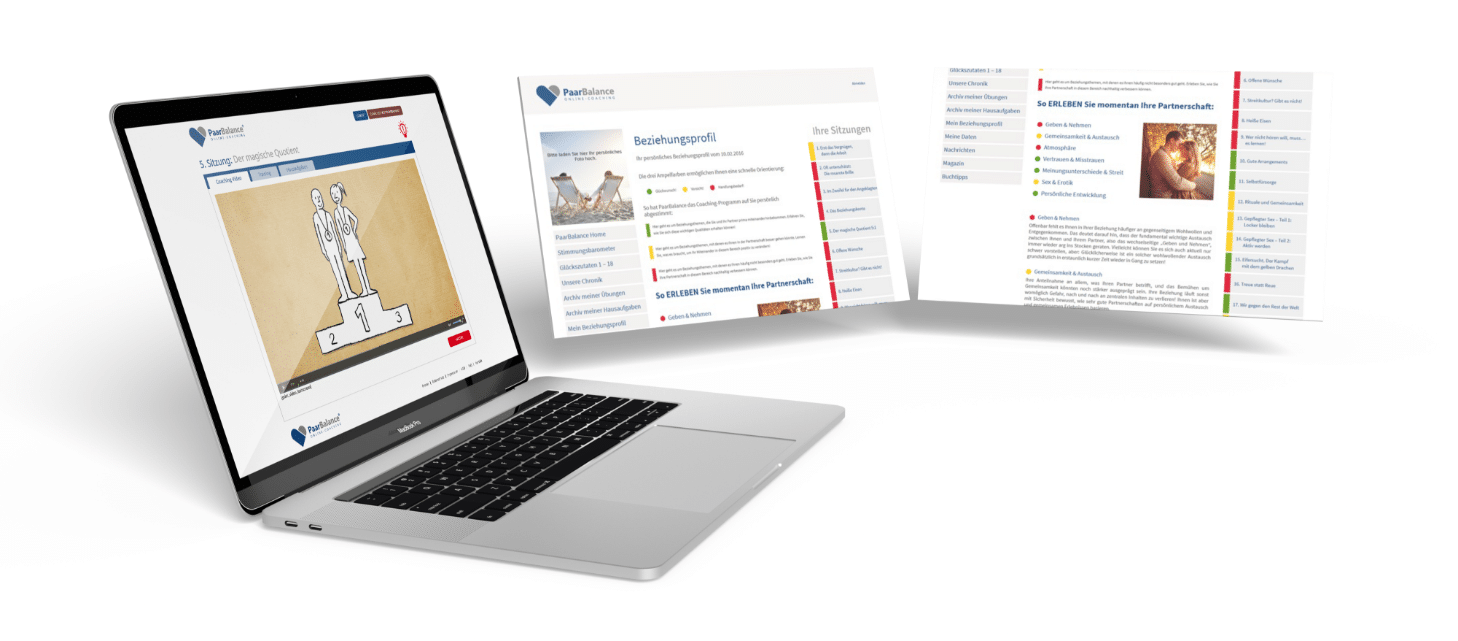






Relationship and partnership

Stable, loving relationships are fundamental to our well-being and overall life satisfaction – even into old age. Our couples therapists offer insights into the diverse dynamics of relationships.
How you can strengthen your love
A healthy partnership requires more than just love – it needs constant nurturing, mindfulness, and mutual growth. Relationships go through different phases, each with its own highs and lows. For love to endure, it's essential to continuously invest in the partnership and support one another.
The 3 main ingredients for any happy relationship are always:
- Open communication:
Talking honestly about feelings, needs, and expectations. - Quality time
: Regularly taking time for each other to deepen the connection. - Conflict resolution:
Addressing conflicts constructively strengthens understanding and harmony.
Our articles offer practical tips and scientifically sound approaches to mastering everyday challenges and deepening your relationship. Discover how to strengthen your connection with your partner, resolve conflicts constructively, and rekindle intimacy.


In relationships, initial perfection can transform into noticeable differences that lead to conflict. Communication, intimacy, and shared values ​​are challenged. By exploring the root causes, communicating openly, and focusing on positive aspects, couples can find ways to strengthen and improve their relationship.


Take the relationship test now and gain clarity!
Our authors & scientific director
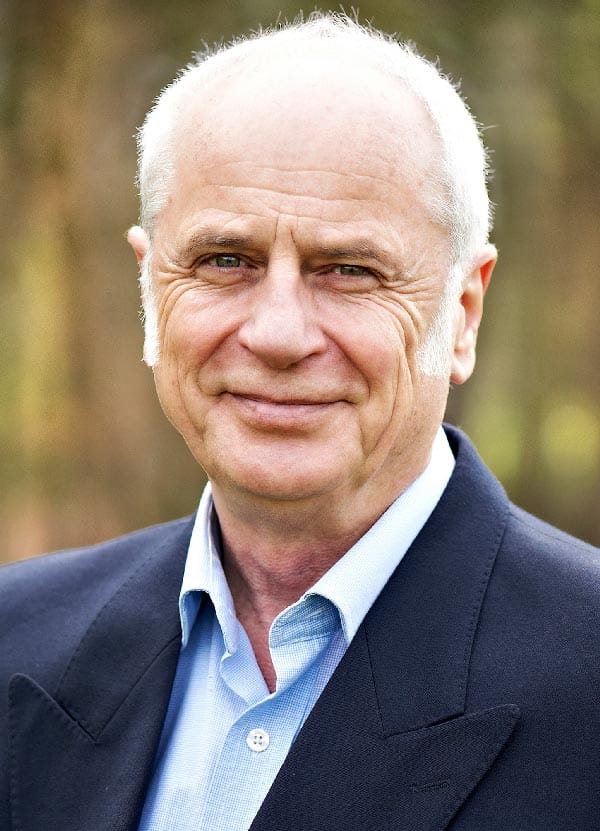
Prof. Dr. Ludwig Schindler
Professor Schindler is one of the leading experts in couples therapy in Germany. He is the author of standard works for therapists and couples on the topic of partnership and has been providing advanced training and supervision on couples therapy and relationship building for several decades. Professor Schindler runs a cognitive-behavioral therapy teaching practice in Munich.

Dr. Judith Gastner
Dr. Gastner is a certified psychologist, psychotherapist, and educator. For many years, she was a research associate at the Technical University of Munich (Clinic for Psychosomatic Medicine & Psychotherapy) and regularly gives workshops, training courses, and interviews on the topic of couple relationships and quality of life. Dr. Gastner works in her own practice as a cognitive behavioral therapist and couples therapist.
A happy relationship is based on mutual respect, trust, and open communication. Each partner should have enough space to fulfill their individual needs and grow personally. At the same time, it requires a mutual desire to cultivate common interests and share in each other's lives.
In our article " How Relationships Work " we discuss the different phases of a relationship and explain what – from a couples therapy perspective – is essential for a happy relationship – and what should definitely be avoided.
Some people are afraid of close relationships in general and committed romantic partnerships in particular. Such fears can stem from past disappointments and make it difficult for those affected to trust and to allow themselves to be vulnerable through their own feelings of love.
In the article " Fear of a relationship " we address the topic of "relationship anxiety" and give recommendations on how to overcome relationship anxiety.
Conflicts and problems can arise in any partnership. However, renowned relationship researcher John Gottman identified four behavioral patterns that are highly likely to lead to a continuous downward spiral, severely straining a relationship: criticism, defensiveness, contempt, and withdrawal.
These destructive patterns have become known as the "four horsemen of the apocalypse" in a romantic relationship. In the article on the " Four Horsemen of the Apocalypse, " we explain the destructive interaction mechanisms described by Gottman in more detail and give practical tips on how to counteract them so that the partnership is not seriously endangered.
Toxic relationships are characterized by devaluation, manipulation, emotional abuse, and constant conflict. In our article " Toxic Relationship - How to Recognize It and What to Do? ", we show how to recognize the signs of a toxic relationship and what steps should be taken to break free from such a dynamic.
It is important to understand that chronically destructive behavior patterns have no place in an equal and respectful partnership.
Another relevant topic is "emotional dependency." When one person in a relationship consistently neglects their own needs and constantly crosses personal boundaries to exclusively fulfill their partner's needs, this is a clear indication of a harmful role distribution. In the article " Recognizing Emotional Dependency, " we address this topic and examine the characteristics and effects of emotional dependency, as well as ways to overcome it.
Human relationships are a fascinating and multifaceted topic.
There is no magic formula for a perfect partnership. Every person is unique, and every relationship constellation brings its own individual challenges; that is, every couple must find its own way to keep specific needs, challenges, potential misunderstandings, or areas of conflict in mind.
But even if there is no universally valid recipe for a perfect relationship, there are demonstrably relevant principles and skills that are a prerequisite for a rewarding and relaxed relationship to develop.
As couple therapists, we support people in becoming aware of these skills and applying them in their everyday lives as a couple.
A fulfilling long-term partnership requires attention and commitment from both partners. Respectful interaction, open communication, the cultivation of shared rituals, and common goals and values are among the crucial factors for maintaining and strengthening an emotional connection. At the same time, it is essential that each partner allows the other sufficient space for their individual growth.
We encourage people to seek professional support when their relationship faces challenges that cannot be resolved constructively and promptly on their own. Couples therapy or relationship coaching can specifically help improve unfavorable communication patterns, regain understanding of one another, overcome persistent conflicts, and refocus on positive moments.