The science behind Couple Balance
The CoupleBalance program was developed based on the latest research findings on satisfaction and stability in partnerships.

"In German-speaking countries, PaarBalance is the first scientifically verified digital solution to effectively help people with relationship problems."
Links to the efficacy studies:

The Couple Balance Coaching
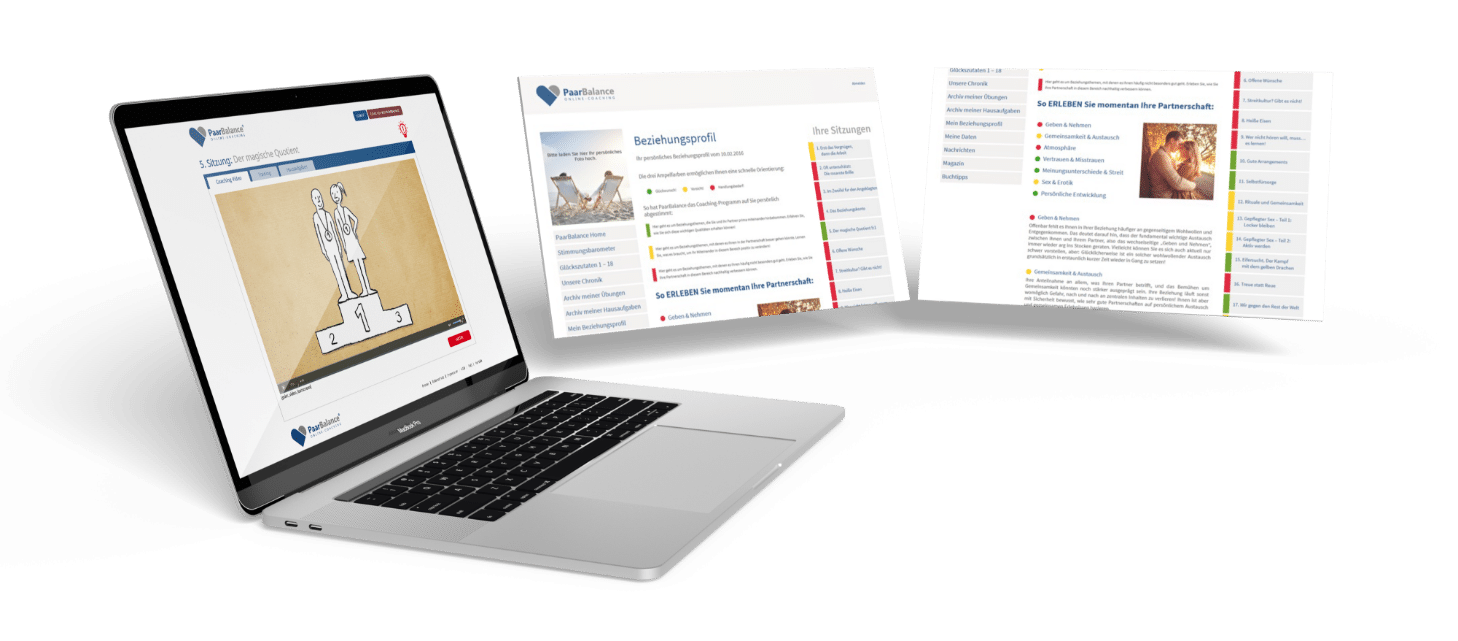
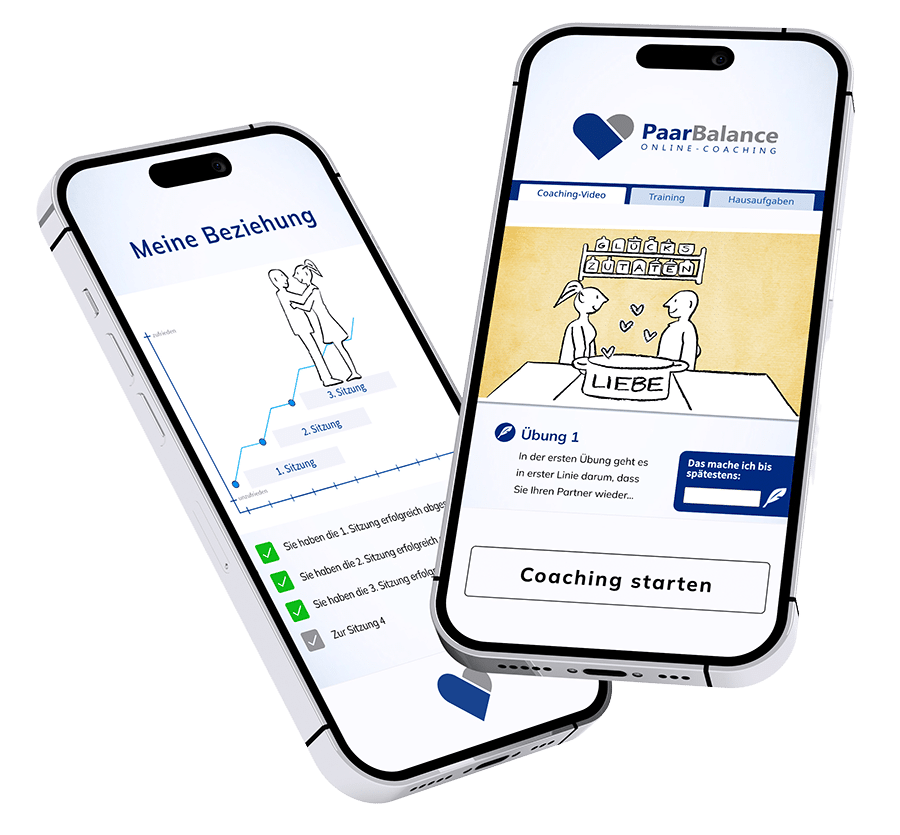
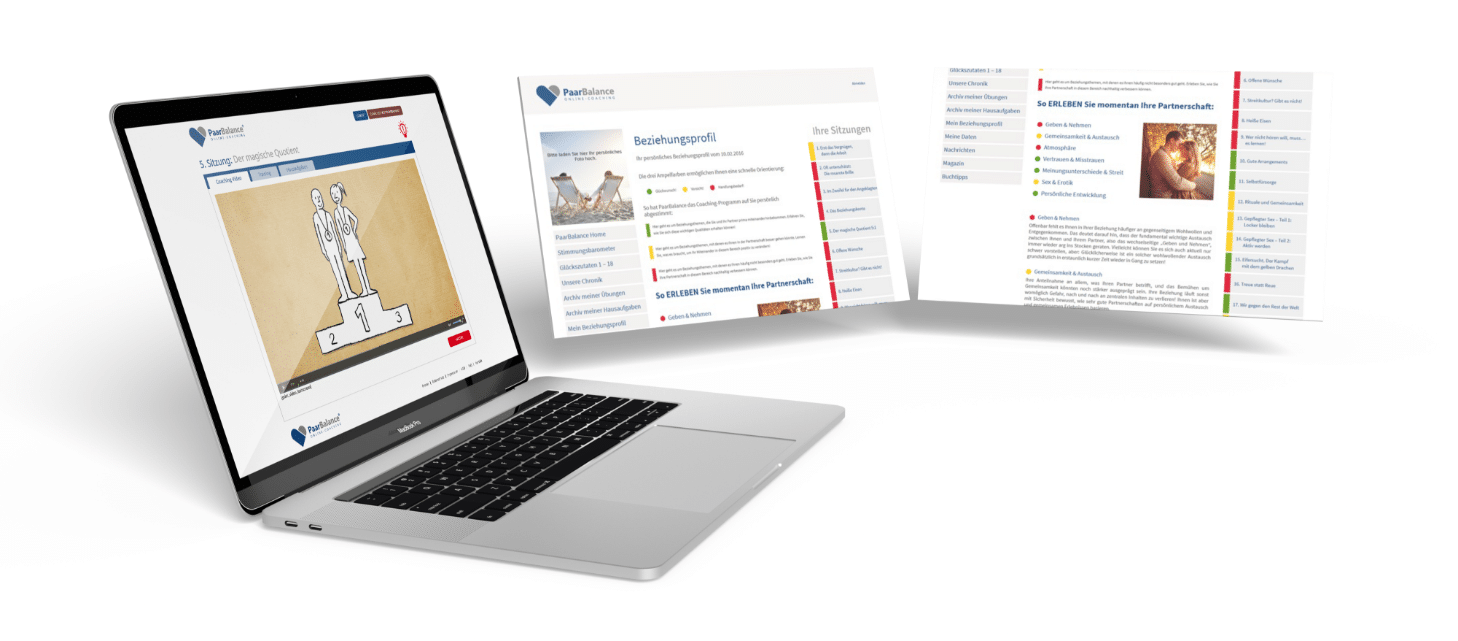
The CoupleBalance program is based on the findings of more than 50 years of relationship research.
Under the scientific direction of partnership experts Prof. Dr. Ludwig Schindler and Dr. Judith Gastner , a lively and varied program was developed that provides individuals and couples with expert support in improving their partnership.
Key findings from couple research are presented in such an understandable and practical way that the quality of the relationship can usually be positively influenced in a very short time.
The scientific management of PaarBalance
The scientific direction is in the hands of Prof. Dr. Ludwig Schindler and Dr. Judith Gastner.
Prof. Dr. Ludwig Schindler is a certified psychologist and psychotherapist.

He is one of the leading experts in couples therapy in Germany and the author of numerous publications in this field. During his many years at the Max Planck Institute in Munich, he conducted extensive research on partnership and relationship satisfaction.
For more than 40 years, Prof. Dr. Schindler has been offering advanced training courses, seminars, and supervision on the topics of couples therapy, couples coaching, and partnership.
He maintains a cognitive-behavioral therapy practice in Munich, where one of his main focuses is also on couples therapy and relationship coaching.
Dr. Judith Gastner is a certified psychologist, psychotherapist, and educator.

During her many years as a research associate at the Clinic for Psychosomatic Medicine and Psychotherapy at the Technical University of Munich (TUM), she dedicated herself equally to patient care, research, and teaching.
Due to her interest in the use of new media in teaching and coaching, she became a certified medical didactics specialist at TUM through the "eTeaching" qualification program.
Today, Dr. Judith Gastner works in her own practice as a cognitive behavioral therapist and coach. One of her areas of expertise is counseling individuals and couples in the areas of initiating relationships, shaping partnerships, sexuality, crisis management, and coping with separation.
Scientific basis
The scientific basis of the online program is cognitive behavioral therapy.
Cognitive behavioral therapy (CBT) is a couples therapy approach with proven high effectiveness. The present tool is therefore based on treatment techniques that have proven successful in CBT. For problem areas such as sleep disorders, depression, or anxiety, comparable online programs have been developed in recent years that can be considered very effective. The technical term for this form of online self-help is "Computerized Cognitive Behavioral Therapy" (CCBT).
In the area of partnership intervention, PaarBalance is the first “automatically guided self-help program” via the Internet in German-speaking countries that addresses the individual partner and whose effectiveness has been scientifically proven.
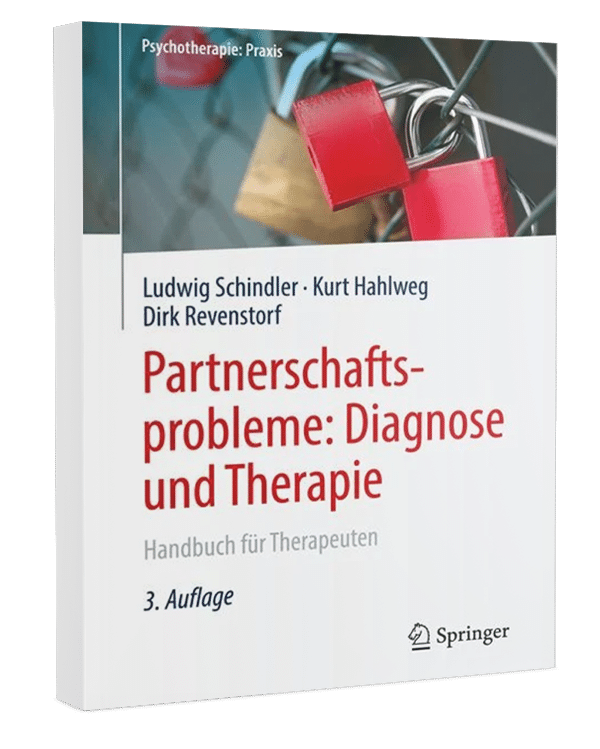
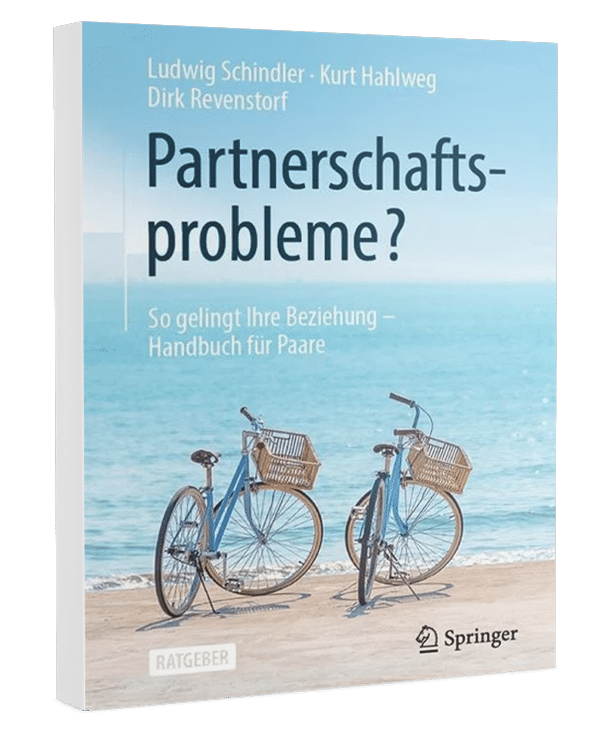
The development of the PaarBalance online tool was preceded by the work of Prof. Dr. Ludwig Schindler and colleagues on the two classic books "Partnership Problems: Diagnosis and Therapy" and "Partnership Problems? How to Make Your Relationship Work - Handbook for Couples".
Both works have been reprinted several times due to their great popularity among colleagues and affected couples (currently available in stores in the 3rd (Handbook for Therapists) and 6th editions (Manual for Couples)).
Diagnostic
The CoupleBalance relationship test was designed according to all methodological requirements to depict the current state of each partner's perceived relationship quality (dimensions: experiencing and shaping the relationship). The test (64 items) takes approximately 10 minutes to complete.
A detailed description of the questionnaire development and the evaluation categories can be found here:
Schindler, L., Gastner, J., Henrich, G. & Metz, N. (2018): The development of the PaarBalance partnership test. Beratung Aktuell, 1/2018, 3-24.
Applications: Self-directed & Blended Therapy
(1) Couple Balance on your own - application as a self-help program
The CoupleBalance program can be carried out entirely independently – to proactively improve your relationship, to tackle existing problems, or to find a way out of an acute relationship crisis.
However, it can also be used following a consultation, an inpatient hospital stay or psychotherapy (couple or individual therapy), or it can be recommended to prepare for a personal consultation appointment or to bridge waiting times in a meaningful way.
(2) CoupleBalance in accompanying use (blended therapy) - use in the context of counseling sessions, individual and couple therapy or prevention courses
Was ist Blended Therapy?
Blended therapy (also known as blended counseling, blended treatment, or blended care) refers to a combination of traditional (synchronous) in-person psychotherapy within routine care and internet-based interventions. The English term "blend" means something like combination (or mixture). Blended care in psychotherapy thus refers to a combined (mixed) approach of personal contact and self-directed online interventions. In German, a uniform term has not yet been established. However, various sources refer to "Verzahnter Psychotherapie" (integrated psychotherapy).
Warum Blended Therapy?
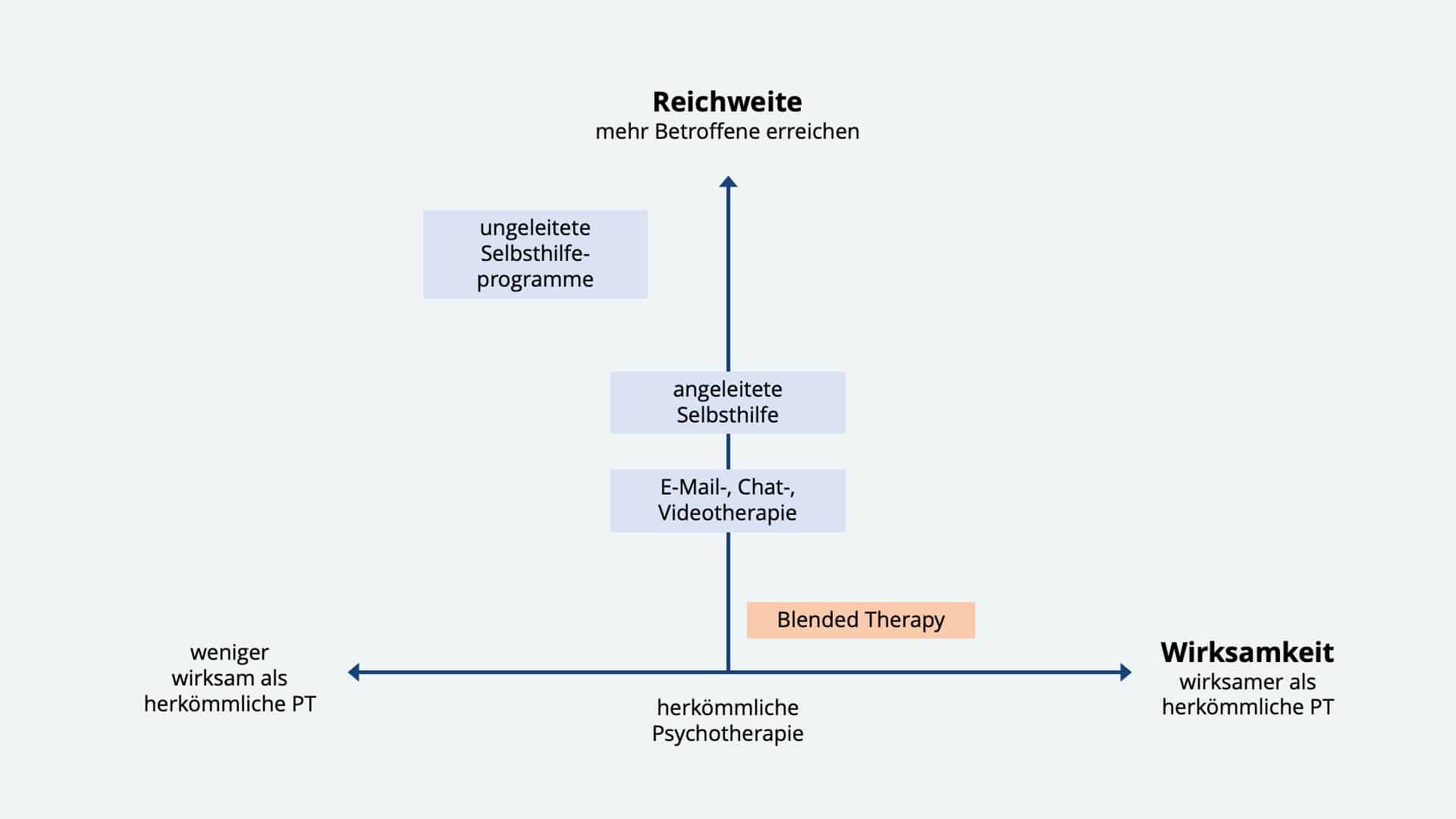
Numerous studies have shown that the combination of personal (face-to-face) consultation with a sound online tool (self-directed) is currently the most helpful approach for many people to anchor desired changes in their daily hamster wheel routine in the long term.
Positioning of various internet interventions with regard to reach and effectiveness (according to Berger & Krieger 2018)
Integrated psychotherapy also in the intervention area of partnership?
As with many other areas of intervention, the blended care format has proven to be highly effective in the field of "relationship crisis and stress," providing optimal support to individuals experiencing relationship problems. It helps them overcome existing challenges and implement desired changes permanently within their home environment.
The relationship profile and the 18 online sessions of PaarBalance, featuring psychoeducational videos, in-depth exercises, and suggestions for everyday life as a couple, can flexibly complement individual face-to-face sessions and offer optimal support for all professionals whose work includes assisting individuals in strained or new relationships (intervention & prevention).
Does the combination (individual on-site consultation / live & couples balance session in between) have to take place within the same time slot?
No. The CoupleBalance program can be used at different times:
A) Before counseling (e.g., to make good use of waiting times)
B) After counseling (e.g., to anchor new patterns)
C) During counseling (e.g., to intensify the change process)
Effectiveness studies on Couple Balance
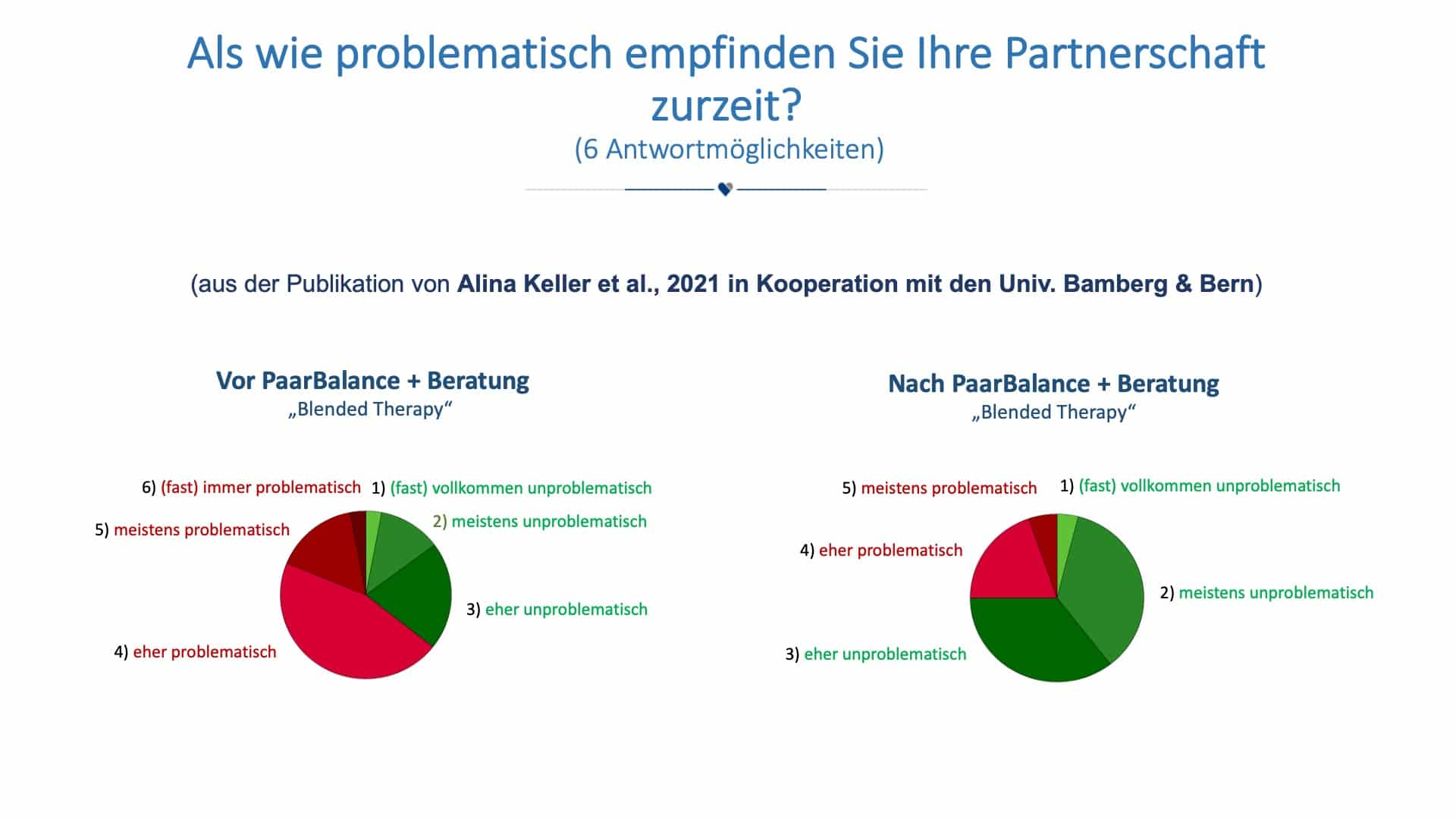
In cooperation with the Universities of Bamberg and Bern, the high effectiveness of the PaarBalance program was demonstrated in two controlled studies – one as self-administered application (self-help program), the other as an accompanying measure in a face-to-face counseling process (blended therapy) – (pre-, post-, and follow-up surveys; each in comparison with a waitlist control group).
Study “Self-help program”:
Application of CoupleBalance on one's own (as a purely self-help program)
Keller, A., Babl., A., Berger, T. , Schindler, L. (2021): Efficacy of the web-based PaarBalance program on relationship satisfaction, depression and anxiety – A randomized controlled trial. Science Direct.
www.sciencedirect.com/science/article/pii/S2214782920301263
Study “Blended Format”:
Use of PaarBalance as a supplementary measure in a face-to-face counseling process (Blended Therapy)
Keller, A., Babl, A., Berger, T. & Schindler, L. (2021). Evaluation of the web-based PaarBalance® partnership program in conjunction with counseling. Behavioral therapy.
www.karger.com/Article/Abstract/518692
In line with an evidence-based model, further accompanying research is being conducted to ensure that the program remains as effective as possible in the future.