







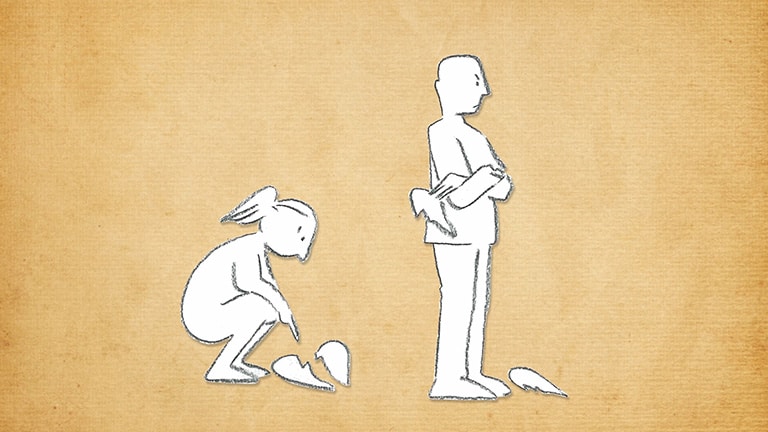
When two people fall in love, it's a magical time: Life seems perfect – and the lovers feel like they're a perfect match. They both sense: We are incredibly similar. We have the same interests, attitudes, desires, needs, and habits. We would do anything for each other! Absolutely anything. Always ...
However, for almost all couples, perceptions change over time:
- Both partners gradually go back to doing "their own thing" and become the people they were before the relationship.
- It becomes clear that there are areas where the agreement is not as great as previously thought.
- That there are indeed different interests, attitudes, desires, needs and habits.
Without intending to offend anyone, it's happening more and more often: everyone does what feels good to them personally or what seems right and important – and that doesn't always match the ideas and plans of the other person.
The partner increasingly feels overlooked and no longer seen or cared for... and is accordingly hurt, disappointed, and sad - because: In the beginning, things were completely different between us!!
What happens then?
Depending on the temperament of those involved, arguments, withdrawal, sniping, or silence may ensue. Both feel misunderstood and unloved. Dissatisfaction sets in. Suddenly, their shared home is no longer the safe haven of relaxation, support, and loving affection it once was. Instead, it becomes a source of stress, tension, or sadness. And at some point, both partners begin to question whether they were ever truly compatible and whether the love is still there. They may even consider separating.
- Are you experiencing something similar in your relationship?
- Do you also feel that relationship problems have gotten out of hand in your partnership?
- Are you wondering how your relationship is doing overall?
Then we recommend that you first (ideally before continuing to read the article) take the scientifically based CoupleBalance relationship test (duration approx. 10 minutes).
Immediately afterwards, you will receive your personal relationship profile with an individual strengths and weaknesses analysis (free of charge and without obligation). A fresh awareness of your resources and common ground as a couple is one of the most important prerequisites for successfully tackling all those things that aren't (or no longer) running smoothly.
Ideally, make sure you're undisturbed for the next 10 minutes while you answer the questions – and we'll just meet back here afterwards, okay? 😉
Take your relationship test now! (free)
How is your relationship?
What are your strengths and weaknesses?
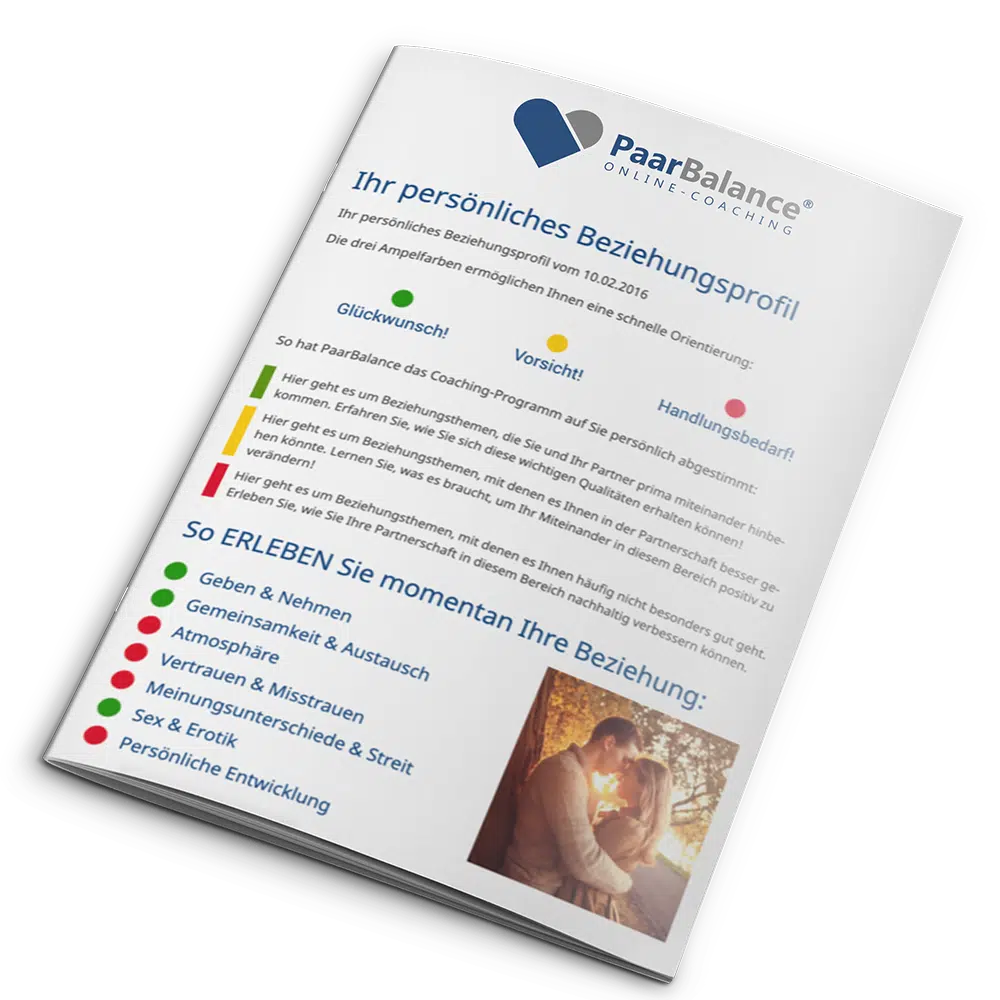
You will find out immediately afterwards in your personal PaarBalance relationship profile (free).
Start your relationship test now!
✓ Scientifically sound
✓ Includes detailed analysis
✓ Your data will not be shared
✓ 100% free & non-binding
100% secure. We comply with data protection regulations. Registration for the relationship test is free .
Please read this important information beforehand:
Data Protection ᐧ Terms and Conditions ᐧ General Information Agreement Terms and Conditions . Transparency Statement
With your CoupleBalance relationship profile, you now have a comprehensive overview of the key strengths and problem areas in your partnership. Knowing where and why there are frictions in your everyday interactions, you can now find the right answer to the question: What concrete steps can I take to feel more carefree and comfortable again soon?
How many relationship problems are normal? When do they become dangerous for the partnership?

That relationships change over time is not a cause for concern. It would be a mistake to believe that the infatuation phase lasts forever. The butterflies in your stomach stop fluttering, the excitement fades, and the lovebirds more frequently take off their rose-colored glasses – in short, a certain degree of routine sets in for every couple at some point. At the same time, most couples experience a growing sense of intimacy. Infatuation transforms into love.
But then at some point the first misunderstanding occurs – and soon the second, third, fourth…
So far, so normal. But what happens after the tenth or twentieth misunderstanding? How much arguing is "normal"? What does it mean when conflicts become increasingly frequent? And when relationship problems crowd out intimacy, warmth, passion, sex, and ultimately even love?
Many couples are unsure when relationship problems reach a worrying level.
- When will things get dicey?
- At what point is a relationship seriously at risk?
The following points can provide you with important information.
They experience more conflicts than happy moments.
Lively discussions and disagreements don't inherently harm relationships. Quite the opposite: an intensive exchange about personal differences and individual desires is important for a partnership based on equality. However, this only applies if the conversations remain respectful and don't escalate.
If arguments occur regularly and you experience more negative than positive moments, this is a clear warning sign.
You feel uncomfortable with your partner

Misunderstandings and disagreements can occur in any partnership. Nevertheless, a relationship should primarily be a source of joy, support, appreciation, and beautiful shared moments, and relationship stress should remain the exception.
Do you experience the overall atmosphere as tense and strained? Do you feel increasingly uncomfortable and misunderstood in your partner's presence? Then your relationship is in danger. If you don't want to risk a breakup, you should turn things around as quickly as possible.
Read our article on this topic: Unhappy in a relationship
The relationship problems revolve around fundamental issues.

There is also cause for concern if relationship problems affect the foundation of your partnership, for example, your fundamental values, the decision of whether or not to have children, or – if you already have children – the question of what kind of example you want to set for them. If the shared foundation is shaky, your entire partnership or marriage is no longer secure, and a collapse can result.
Anyone who tries to deny or suppress fundamental differences in the long term is making a mistake. It doesn't work in the long run.
Understanding how and why relationship problems arose is an important first step in finding good compromises that both partners are comfortable with.
What causes relationship problems? - The 5 most common reasons
Every person is an individual, every partnership is unique, every couple is special, every relationship has its own dynamic. And yet, there are some typical conditions and triggers for the most common problems in relationships.
Reason 1: Differences only become visible over time.

Relationship problems don't always mean that the way people interact or the partners themselves have fundamentally changed. Instead, a classic psychological phenomenon can be responsible for the seemingly sudden emergence of conflicts:
Wenn sich zwei Menschen verlieben, achten sie zunächst vor allem auf die Dinge, in denen sie einander ähnlich sind. Was wir von uns selbst kennen, ist uns schließlich vertraut. Deshalb fällt es uns auch bei einer anderen Person zuerst auf. Die meisten Frischverliebten haben daher das Gefühl, der andere passe perfekt zu einem selbst. Typischerweise werden Unterschiede erst mit der Zeit deutlich, nämlich dann, wenn wir jemanden sehr gut kennen und nicht mehr ausschließlich auf die Gemeinsamkeiten achten.
Wenn es also bei Paaren Unterschiede hinsichtlich wichtiger Werte oder Einstellungen gibt, ist es durchaus möglich, dass das erst im Laufe der Beziehung wahrgenommen wird. Erst dann wird ein bestimmter Bereich des Zusammenlebens zum möglichen Streitpunkt. Die Wahrnehmung kann kippen: Durch häufigere Konflikte konzentriert sich das Paar nun in erster Linie auf die Unterschiede – und plötzlich fühlt es sich so an, als gäbe es so gut wie gar keine Gemeinsamkeiten.
Darüber hinaus spielt noch ein weiterer Punkt mit hinein: Wer frisch verliebt ist, zeigt sich nur von seiner besten Seite. Doch je weiter eine Beziehung voranschreitet, desto mehr Seiten und Aspekte lernen beide aneinander kennen. Dabei können auch Eigenschaften, Gewohnheiten oder Charakterzüge zu Tage treten, die 'nerven' oder - im schlimmsten Fall - sogar als „No Go“ oder Beziehungskiller eingestuft werden. Schnell entstehen daraus wiederkehrende Beziehungsprobleme, die die Liebe auf die Probe stellen.
Grund 2: Die Partner entwickeln sich in unterschiedliche Richtungen
Neben den Unterschieden, die bereits von Beginn an - unentdeckt - vorhanden waren, können in einer langjährigen Beziehung oder Ehe auch neue Differenzen hinzukommen. Das ist etwa dann der Fall, wenn sich Vorlieben, Wünsche oder Interessen beider Beziehungspartner in verschiedene Richtungen entwickeln.
Zum häufigen Konfliktthema in vielen langjährigen Partnerschaften wird eines Tages die Priorisierung von Arbeit oder Familie. Nimmt ein Partner beispielsweise einen neuen Job an, der ihn begeistert, können sich seine Prioritäten in Richtung Karriere verschieben. Er arbeitet vielleicht länger, macht Überstunden oder kann sich vorstellen, für einen Karrieresprung nach New York zu ziehen. Möchte der andere zeitgleich eine Familie gründen und träumt davon, in einem Haus auf dem Land zu leben, sind Beziehungsprobleme vorprogrammiert.
Grund 3: Es gibt Kommunikationsprobleme
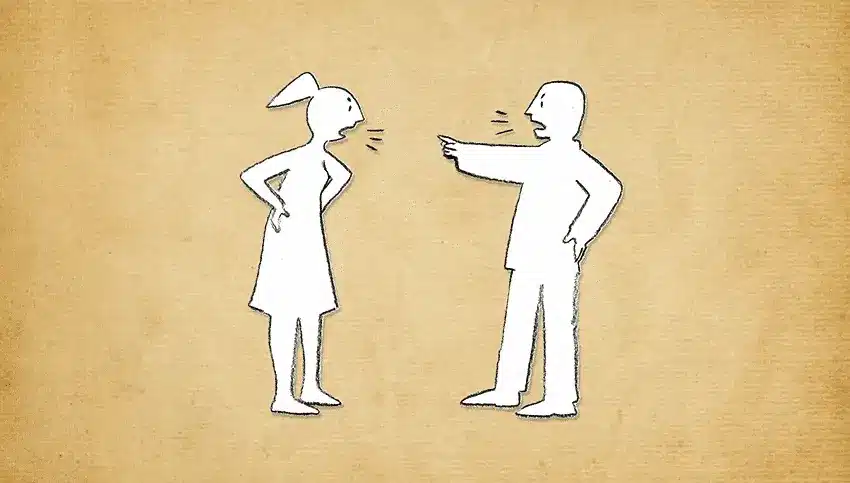
Constructive communication is the foundation of a happy relationship. After all, a relationship always brings together two individuals with their own life stories, experiences, strengths, and weaknesses. All these characteristics shape how a particular situation is experienced and evaluated – and this can sometimes vary greatly. If one partner doesn't understand why the other interprets something in a certain way or why they react in a particular manner, misunderstanding can lead to frustration and ultimately an argument.
Since no one can read minds, mutual understanding only arises through open communication. It is essential for all couples that both partners talk about their desires and feelings so that the other can fulfill them.
If communication between partners breaks down, it can become a major problem. The same misunderstandings will inevitably arise, leading to recurring conflicts and ultimately dissatisfaction with the entire relationship. As a result, initially minor misunderstandings and harmless relationship problems escalate into full-blown relationship crises.
Reason 4: Stress puts a strain on the relationship
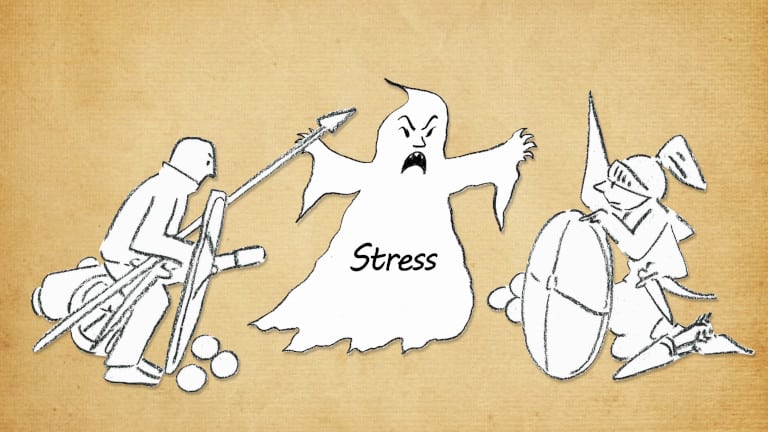
Stress is one of the most common relationship killers for many couples! When stressed, people are easily irritated. This can quickly lead to arguments over trivial matters. When we're overwhelmed ourselves, we feel completely preoccupied (or even overburdened) with our own problems. We're less able to pay attention to our partner's worries or wishes. Therefore, we're no longer able to effectively support them.
Psychological studies show that stressed partners communicate significantly worse with each other – a major problem, as we saw in the previous point. Whether the stress comes from work, home, friends, or the (extended) family, it fuels relationship problems.
Reason 5: Intimacy, tenderness & sex are lost
The challenges of everyday life and daily stress typically lead to couples spending less and less quality time together. Shared moments are becoming increasingly scarce. Chronic tension causes fatigue and, among other things, reduces the energy needed to regularly motivate oneself to engage in activities that would otherwise be enriching.
This almost always affects the initiative for sex and eroticism, because stress and tension kill desire and passion . As a result, partners become estranged over time. Tender, loving feelings and gestures diminish, and relationship problems easily take hold. Eroticism and intimacy are almost always experienced as boosters for closeness and connection – and many a perceived problem loses its urgency after a pleasurable, shared moment of lovemaking. In couples who completely lack such intimate moments, a less loving and more irritable atmosphere often develops.
Pull the plug on relationship problems! - The 5 best strategies

Relationship problems can revolve around virtually any area of shared life. However, everyday differences often play a particularly significant role, such as how money is handled , the role given to friends and relatives , the division of household chores , or childcare . It's not uncommon for both partners to feel they are taking on more responsibilities than the other, or even having to do everything alone – and this feels unfair. Especially when couples move in together, the new shared household frequently becomes a source of relationship problems.
Other common conflict topics include jealousy , trust , differing needs regarding commonalities and personal freedom .
Are you experiencing relationship problems in these or other areas? Then it's time to take a closer look at the challenges and work together to find good solutions. The following tips can help you with that.
Strategy 1: Investigate the root causes

Consider – calmly and with some peace and quiet – the origins of your relationship problems and what might have caused them to worsen (or bother you more than before). In most cases, the root cause lies in unmet expectations that have gradually built up.
- In the household, for example, there is the expectation of a division of labor that is perceived as fair,
- Jealousy involves the expectation of more attention or clearer signs of love.
- In family planning and child rearing, there is the expectation that they will automatically share the same wishes, values and perceptions,
etc.
To find the right solution for any major relationship problem, one should therefore honestly ask oneself:
- Do I have expectations of my spouse (or boyfriend) that he or she is not fulfilling?
- Does my partner possibly have unmet expectations of me?
- If so: Where do these expectations come from? From childhood, a previous relationship, or a (lost) friendship?
- Does my partner even know about my expectations and hopes?
- Conversely, do I know about his (or her) expectations and hopes?
- Could we fundamentally meet the respective expectations – or are they possibly unattainable?
A thorough investigation into the causes is a prerequisite for truly understanding a problem and developing a sense for the appropriate solution.
Strategy 2: Communicate more frequently

When young couples start new relationships, they would ideally like to talk to each other day and night to learn every secret. However, this usually diminishes over time. The longer a couple is together, the less the partners communicate.
However, we've already established that communication problems are one of the most frequent triggers for (intense) relationship conflicts. Accordingly, good communication is also the best possible solution and the most effective antidote. This means: Talk to your partner as much as possible. About your wishes, your needs, your worries, your feelings, your opinions, your life story, your work, and your daily life together. Almost any topic is a good topic!
This allows you to understand each other better. You know what the other person needs and are able to respond to them much more sensitively and empathetically. Furthermore, intimate conversations help you recognize your partner's vulnerabilities and respond supportively. You can explore the underlying reasons for feelings like jealousy, fear, or impatience and work together on the distressing consequences of these emotions.
Make sure to regularly discuss current life plans and expectations. Keep each other informed and develop joint plans.
Strategy 3: Communicate effectively
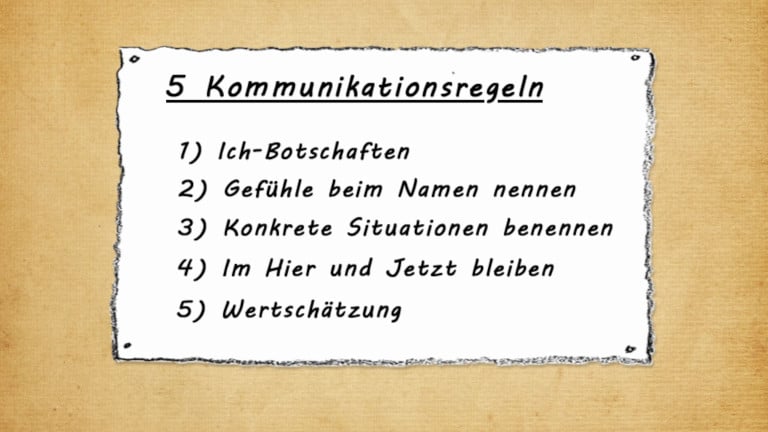
It's not just important that you talk to each other, but also how you do it – because respectful and open communication can work wonders. This is especially true for conversations about difficult topics. Almost any couples therapist would probably advise you to do the following:
Avoid " you" messages , as they always contain an accusation. This quickly makes the other person feel attacked, anger arises, and emotional hurt occurs. Instead, formulate " I " messages whenever possible, which express your own wishes and needs. Although the content may sound similar, such formulations have a completely different effect on your partner. Name the feelings you are currently struggling with.
Refer to a specific situation to illustrate your point, and avoid generalizing words like "always," "never," "everything," or "nothing." These words can make your partner feel like you're complaining about their character or personality in general—or that you haven't seen any of their previous efforts. This is hurtful and also conveys the impression that the problem is unchangeable, the conflict unsolvable.
Speak—especially when things get serious—as calmly and respectfully as possible. Signal to your loved one that you value them as a whole person and are happy to have them in your life.
These rules help to avoid misunderstandings and to find a fair solution or a good compromise together. This way, even sensitive topics can be addressed without causing conflict.
Strategy 4: Strengthen your intimacy

If intimacy and trust are damaged in your relationship, it opens the door to all sorts of problems. Repair lost trust together. This requires openness , goodwill , and sufficient quality time as a couple.
Break out of your daily routine and give each other more attention . Do something nice together. Cuddle up more often, go out to a nice restaurant together, or something similar. What makes you both feel really good...? - Go for it! The most important rule: no conversations about everyday life, obligations, or household chores. Weekly grocery shopping or the kids' homework stay off the agenda. Only then can more intimate conversations between you—beyond the daily logistics—emerge and your understanding of each other grow. Schedule these shared times as fixed appointments in your calendar. This will ensure that you don't forget them, even in the midst of a stressful daily routine, and you'll most likely feel much closer to each other again soon.
Strategy 5: Focus on the good

Why not consciously put on those proverbial "rose-colored glasses" again? Focus on the positive aspects of your loved one and your shared history. This means: Talk to your sweetheart about what you like about them and what works well between you. Reminisce about your most beautiful moments together. Talk about upcoming events in as much detail as possible, plan things together, share your excitement...
Make a conscious effort to cultivate positive feelings. Prevent a negative mood from taking hold. An overall positive atmosphere benefits the relationship in every way: it fosters open communication and a loving view of one another, and it helps prevent new relationship problems. These strategies are almost always helpful and can be applied regardless of the specific relationship issue.
Have their conflicts not improved despite joint attempts to resolve them?
This doesn't mean you should be thinking about separation just yet!
Before considering such a final step, all other options should truly be exhausted. Have you already considered whether a couples therapist or counselor could support you face-to-face in your local area? A well-researched self-help book or an online self-help program can also provide you with valuable relationship advice and practical know-how.
The crucial step is almost always:
- Start by taking the initiative and adjusting one of the key levers (in the sense of " acting instead of reacting ").
- Don't wait for the other person to change (or to change immediately).
In this sense, PaarBalance is the only scientifically verified, interactive online coaching program for improving couple relationships in German-speaking countries that can be carried out by the individual partner.
Through 18 sessions, you will receive practical recommendations and concrete instructions on how to improve the quality of your relationships and rediscover ease and joy in life.
Whatever type of support is right for you: Keep at it! Use your current momentum and activity. Invest in your relationship and your love. You have nothing to lose!
Warmest regards from
Judith Gastner & the entire PaarBalance team