


☝🏻 Quick start: Open relationship
Most people in our latitudes automatically associate committed relationships with exclusivity and monogamy . "If you truly love each other, you're completely taken care of and don't need any other partners," is the common refrain.
But:
- Is that really true?
- Does this apply to all couples?
- And: Why are so many people apparently interested in the concept of open relationships ?
This blog article explains exactly what is meant by an open relationship , what challenges , risks , opportunities and development possibilities a relationship open to other partners entails, what rules should be observed and what experiences we as couple therapists have been able to gather on this topic.
🚀 Already 65,511 people have gained clarity through the test.
Open relationship - definition
In an open relationship, both partners (or in some cases, only one of them) take the freedom to have other (sexual) partners in addition to their existing committed relationship. There are various relationship models:
The "classic" open relationship
In this relationship model, both partners are "allowed" to have sex with other people within certain rules. In theory, these affairs should primarily be physical (and preferably not too deeply emotional...).
The one-sided open relationship
In a one-sided open relationship, only one of the two partners "allows" themselves to have affairs, while the other does not - because they do not want to take advantage of and experience the possibility of sexual encounters with multiple people.
This situation can also work, even though it may seem "unfair" at first glance. For example, if one person can only imagine a relationship with sexual freedom, while the other prefers monogamy, compromises can sometimes be found. However, it can be challenging for couples to balance the resulting imbalance through other aspects of the partnership. You can read more about when compromises seem "unfair" and when they are beneficial in the article "Compromises in Relationships: Where They Help and Harm . "
Open marriage
An open marriage is essentially nothing more than an open relationship between married couples. Partners sometimes find this arrangement particularly challenging, as there is seemingly even more at stake if the concept doesn't work out and ultimately leads to divorce. Furthermore, cultural, religious, and familial factors often play a more significant role for married couples. A social environment that is strongly opposed to the concept of an open relationship can further complicate its successful implementation—especially if it involves secrecy, guilt, justification, and so on.
Polyamorie
"Polyamory" is a neologism derived from the Ancient Greek "polýs" (many, several) and the Latin "amor" (love). Polyamorous partnerships differ from open relationships in that they are not primarily about sexual encounters between one or both partners outside the primary relationship, but rather about an agreement to fall in love with other people and to pursue deep, additional romantic relationships alongside the existing partnership.
Polyamorous relationships don't necessarily have to be completely open in every respect. For example, a person can love several trusted people and have close relationships with them – but only be sexually intimate with their "primary partner".
Triangular relationships and similar situations
There are also forms of polyamory in which three people are in a loving emotional and sexual relationship, where the two same-sex partners identify as bisexual. Various configurations can also be created within the context of three-way relationships, depending on the wishes and expectations of those involved. Here, too, open and clear communication between the partners is crucial.
Open relationships: A new phenomenon?

The phenomenon of "open relationships" sounds modern, but in reality it's as old as humanity itself. Since time immemorial, we have been torn between fidelity and desire, security and freedom, monogamy and polygamy.
Whether it be polygamous tribal cultures, orgies in ancient Rome, or the biblical King Solomon with his seven hundred princely wives and three hundred concubines: monogamy was not always and everywhere the social norm.
Why an open relationship?
There are many reasons why people might desire an open relationship. For example, when not all sexual or emotional needs are met in the partnership. However, it also happens that a person is generally very satisfied in their relationship – and yet still longs for adventures, one-night stands, and erotic freedom.
In many respects, men and women are similar in this regard. However, from an evolutionary biology perspective, a few different aspects can be observed.
Why do men want an open relationship?

Although we live in a modern, civilized society, we inherited our instincts and physical needs from our Stone Age ancestors. To understand why some men describe, sometimes quite literally, a "completely instinctive" urge for sexual variety, it's worth taking a look at evolutionary male sexual strategies.
Like every other species, successful reproduction and passing on of one's genes was of central importance for humans of reproductive age. While a woman (depending on the duration of breastfeeding and the return of menstruation after childbirth) could generally become pregnant at most once a year, a man (at least theoretically) has always been able to father a child several times a day. From an evolutionary perspective, having sex with many women meant that men could spread their genes as widely as possible and ensure the continuation of their lineage.
Coupled with a high sex drive (especially during life phases when male testosterone levels are very high), it's hardly surprising that even today, younger men in particular shy away from sexual exclusivity. Visually attractive men, especially those who enjoy a wide selection of sexual partners, want to take advantage of the opportunity to 'explore their sexuality'.
This is, of course, no license for infidelity if monogamy has been agreed upon as a shared relationship model in an existing partnership. After all, we are reflective beings who don't have to be driven by primal urges. However, we should consider such background information in order to perhaps better understand the male desire for sexual freedom.
Of course, for men – just as for women – many other reasons (desire for variety, lack of closeness or dwindling erotic attraction in the relationship, unfulfilled needs, etc.) can play a role when the desire for further intimate relationships becomes increasingly strong.
Why do women want an open relationship?
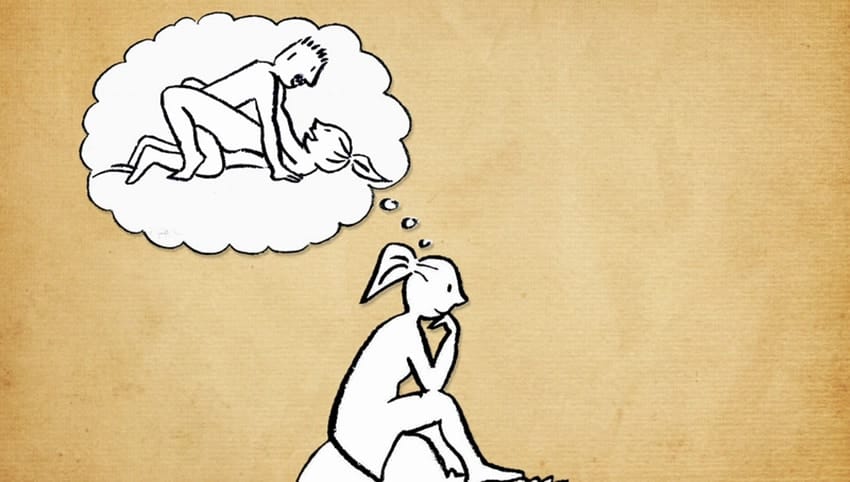
Unlike men, from an evolutionary perspective, it was not in a woman's interest to sleep with as many sexual partners as possible. Even in earlier times, as already mentioned, a woman could only become pregnant about once a year – and every pregnancy and motherhood posed a risk to her health and life. Therefore, it was important to choose the father of one's offspring carefully. For women, in this respect, quality over quantity was paramount. A man with excellent genes who could provide for her and the child during and after pregnancy was preferable to a new stranger every night.
For these evolutionary biological reasons (and due to the somewhat lower average female sex drive), even today there are still fewer women than men who, in surveys, state that they desire an open relationship purely for the sake of sexual variety. According to a study by the University of Guelph in Ontario, infidelity by women was most frequently associated with relationship dissatisfaction.
But as I said: These are merely tendencies. And of course, for women today who are sexually adventurous and open to experimentation, and who desire a diverse range of erotic experiences throughout their lives, getting pregnant is not their primary goal (especially not if they have already fulfilled their desire for children, or never had one, or have already gone through menopause, or...). 😉
Risks and opportunities of an open relationship
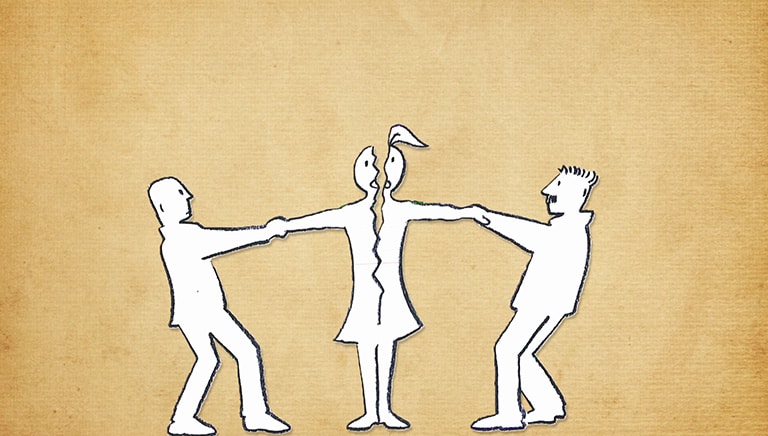
What about the implementation of open relationship models? What is needed for the desired openness to actually work? Where are the pitfalls? What needs to be considered when transforming a monogamous partnership into an open relationship?
Couples in counseling - The prerequisites for an "open relationship"
In the course of our decades of work as couple therapists, we have found that open relationship models would be hardly feasible for a large number of the couples who contact our practice - at least not at the time they first get in touch.
To try out an open relationship model as a couple requires a particularly high degree of togetherness, communication, trust, resilience to stress, self-reflection, and tolerance. Unfortunately, people who seek out couples therapists or counselors usually do so not as a preventative measure or proactively (to get support when major changes are imminent), but rather after painful hurts and escalating conflicts have already occurred in the past. This means that the couples we primarily work with have been unable to find good solutions to their existing challenges for quite some time.
Therefore, for most client couples, the conditions for implementing open relationship models, which require a great deal of willingness to compromise and self-confidence, would not be met at the start of therapy.
Couples who function well as a team and who manage to respectfully deal with even complex relationship and lifestyle models (including open relationship models) are far less likely to sit "on our couch".
Open relationship test: Can my partnership withstand it?
To decide which form of cohabitation (monogamy, polygamy, polyamory, shared swinging, etc.) is the most right lifestyle for both of you, you should carefully examine your existing partnership.
Understanding the strengths and risks of your current relationship/marriage is especially important when considering open relationship models. Become aware of the resources and potential pitfalls you both possess. Only then can you consciously adjust the most important factors and maintain your connection as a couple.
For a comprehensive overview, feel free to use our CoupleBalance Relationship Test (10 minutes, scientifically based, free of charge).
Relationship test (free): How endangered is your partnership right now?
Take your relationship test now! (free)
How is your relationship?
What are your strengths and weaknesses?
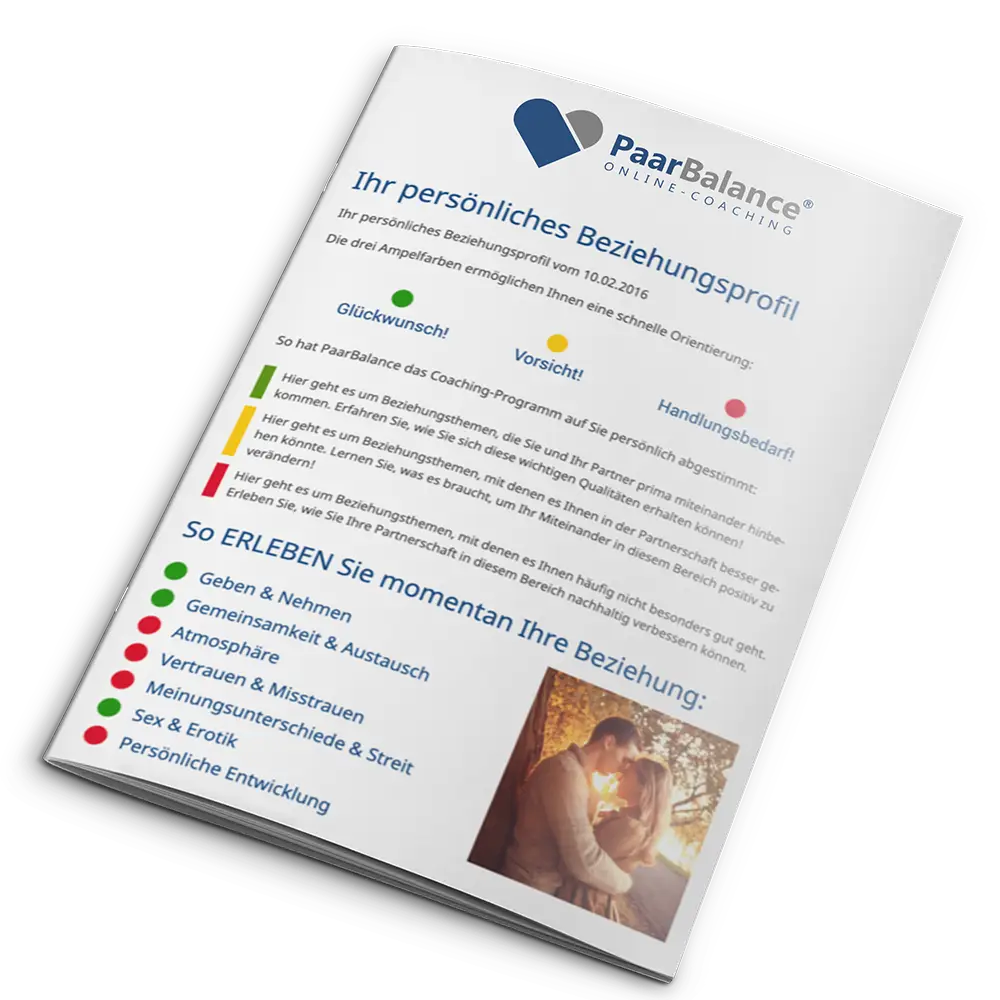
You will find out immediately afterwards in your personal PaarBalance relationship profile (free).
Start your relationship test now!
✓ Scientifically sound
✓ Includes detailed analysis
✓ Your data will not be shared
✓ 100% free & non-binding
100% secure. We comply with data protection regulations. Registration for the relationship test is free .
Please read this important information beforehand:
Data Protection ᐧ Terms and Conditions ᐧ General Information Agreement Terms and Conditions . Transparency Statement
The risks of open relationship models: Where do the dangers lurk?
Open relationship models are known to have a few pitfalls that can damage even an otherwise stable relationship. We would like to briefly outline these below.
- Eifersucht
Es liegt auf der Hand. Das größte Problem bei offenen Beziehungen ist die Eifersucht. Denn: Liebe will besitzen (zumindest in sehr vielen Fällen...). Wenn wir einen Partner in unser Herz schließen, machen wir uns emotional verwundbar. Fast zwangsläufig haben wir Angst, ihn oder sie zu womöglich eines Tages wieder zu verlieren.
Der Gedanke, unsere(n) Liebste(n) im Bett mit einer oder einem anderen zu sehen und zu wissen, dass er in diesen Momenten Nähe, Lust und Leidenschaft mit einer anderen Person teilt, während man selbst davon ausgeschlossen ist, kann auch bei einem insgesamt sehr aufgeschlossenen Menschen zu einem inneren Konflikt führen. Diese Eifersucht in den Griff zu bekommen, ist für die meisten Menschen eine Mammutaufgabe. - Vertrauen
Sich auf eine offene Beziehung einzulassen, erfordert ein gigantisches Maß an Vertrauen. Vertrauen, dass der Partner sich an vereinbarte Regeln hält, keine Grenzen überschreitet, Loyalität bewahrt und am Ende des Tages (bzw. am Ende der Nacht...) wieder zu einem zurückkehrt. Dieses Vertrauen ist oft schwer zu gewinnen und kann durch den kleinsten Fehler erschüttert werden. - Kommunikation
Einer der möglichen Nachteile einer offenen Beziehung: Es kann u.U. ein transparenter Austausch erschwert werden. Der Partner, der gerade etwas Aufregendes erlebt, ist erfüllt von berauschenden Eindrücke und Emotionen. Die meisten Menschen möchten jedoch keine sexuellen und intimen Highlights der Seitensprünge ihres Partners im Detail mitgeteilt bekommen. Das führt dann u.U. zu einer Form von Verschweigen, Auslassen, Geheimhalten - worunter die Kommunikation und Verbundenheit in der bestehenden Partnerschaft leiden kann. - Sicherheit
Für Menschen mit einem hohen Bedürfnis nach Sicherheit, Zweisamkeit und Geborgenheit in der Partnerschaft ist es besonders schwierig, eine offene Beziehung zu leben. Die Sorge, den geliebten Partner womöglich doch zu verlieren, macht es für sie ganz besonders schwierig, sich fallen zu lassen. - Regeln
Regeln sind für eine erfolgreiche offene Beziehung unverzichtbar. Doch während sie in der Vorstellung schnell entworfen sind, können sie in der Praxis zu heftigen Konflikten führen.
Was ist, wenn die Affäre nachts nicht mehr nach Hause fahren kann, weil die S-Bahn ausfällt, man aber eine Keine-Übernachtungs-Regel vereinbart hat? Was, wenn der One-Night-Stand einen im Rausch der Leidenschaft aufs Ehebett schmeißt, das doch eigentlich als Tabu erklärt war?
Es sind zahlreiche Situationen vorstellbar, in denen es sehr schwierig sein kann, die vereinbarten Regeln einzuhalten. Hier kann es zu Vertrauensbrüchen und Verletzungen kommen. - Gesundheit
Durch den Kontakt mit wechselnden Sexualpartnern steigt das Risiko, sich mit STDs (sexuell übertragbare Krankheiten) anzustecken. Im Gegensatz zum Single-Leben trägt man dieses Risiko nicht allein, sondern gefährdet u.U. auch den eigenen Partner bzw. die eigene Partnerin. - Verletzungen
Egal, wie viel Akzeptanz und Toleranz wir in der Theorie zeigen: In der Realität kann es uns zutiefst verletzen, wenn unser Herzensmensch sich mit jemand anderem vergnügt - insbesondere dann, wenn es einem selbst gerade nicht gut geht. Unterbewusste Erwartungen, er/sie würde es letztlich dann doch nicht tun, oder Ängste, man wäre ihm/ihr vielleicht doch nicht gut genug, können Menschen aus der Bahn werfen. Zu verletzten Emotionen kann es auch auf Seiten der Affäre(n) kommen, wenn sich starke Gefühle entwickelt haben oder falsche Erwartungen entstanden sind. Langfristig eine offene Beziehung zu führen, ohne jemals Gefühle zu verletzen, ist fast ein Ding der Unmöglichkeit. - Image
Es kann von den Beteiligten als unangenehm erlebt werden, wenn Außenstehende davon erfahren, dass ihr Partner nicht beabsichtigt, treu zu sein (selbst wenn dies vom Paar einvernehmlich so vereinbart worden ist). So kann es bereits zu Verletzungen kommen, bevor jemals ein Seitensprung stattgefunden hat - schlichtweg weil der falschen Person von dem Konzept erzählt wurde. - Entfremdung
Als Reaktion auf ständige Unsicherheit oder Eifersucht kann es vorkommen, dass sich der eine Partner emotional zunehmend vom anderen entfernt. Über die Dauer einer offenen Beziehung kann es dann u.U. zu einer starken Entfremdung kommen. - Fremdverliebt
Wenn Menschen miteinander intim werden, kommen - entgegen der besten Absichten - oft starke Gefühle ins Spiel. Beim Kennenlernen einer neuen attraktiven Person schüttet unser Gehirn eine Art Emotionscocktail aus, der uns gegen unseren Willen zu ihr hinzieht. Aus dieser Verknalltheit kann echte Verliebtheit werden, aus der Verliebtheit irgendwann Liebe. Zu diesem Thema haben wir einen eigenen Artikel geschrieben: Verliebt trotz Beziehung - Was Sie jetzt unbedingt tun und lassen sollten
Die Chancen offener Beziehungsmodelle: Wie kann eine offene Beziehung funktionieren?
Zugegeben: Offene Beziehungsmodelle klingen ganz schön riskant. Und das ist es für eine Vielzahl der Partnerschaften auch. Doch bei einer ehrlichen und kontinuierlichen Auseinandersetzung mit den eigenen Bedürfnissen und denen des Partners, kann eine offene Beziehung umsetzbar sein.
- Transparenz, Respekt & Co
Dieser Prozess muss von Transparenz, Wohlwollen, Respekt und Kompromissbereitschaft getragen sein. Dann kann ein gemeinsames Lebens- und Liebeskonzept gefunden werden, das von alle Beteiligten als Bereicherung - und nicht als Bedrohung - erlebt wird. - As an antidote to FOMO (Fear Of Missing Out),
opening up a formerly monogamous relationship can, for example, prevent an otherwise happy couple from separating out of fear that they haven't "experienced" enough and "lived it up" enough. This is one of the most common reasons for separation, especially among couples who got together very young. - Desire for freedom:
For a partner with a strong desire for freedom, opening up the relationship can provide the necessary space to feel safe and comfortable, rather than trapped, in a committed relationship. - Basic requirement: Stable relationship.
However, the concept only works if one very important basic requirement is observed: The open relationship must arise from an overall stable and good partnership - not from deep dissatisfaction with oneself and/or the other person! - Don't rush into anything.
If you currently have serious and unresolved problems in your relationship, you shouldn't consider quickly introducing a few new (sexual) partners into your life. That would be a recipe for disaster, because: all the problems you have as a couple will surface during an open relationship and usually be significantly exacerbated. - Working on the pain points as a couple
: For example, if there has been no fulfilling sex life (and no positive discussion of this topic has taken place so far), a 'hot' new sexual partner can plunge you into a deep relationship crisis overnight. If communication in your own relationship isn't working at all (anymore), you will very likely experience serious emotional turmoil if 'the affair' listens to you better than your partner, etc.
For many couples, an open relationship initially presents a significant challenge. Therefore, before committing to a model that integrates other people into your love and sex life, it is crucial that the original couple remains as stable and connected as possible.
Test the quality of your partnership and receive your comprehensive personal relationship profile with all your strengths and weaknesses
(Completion time: 10 minutes, scientifically based, free of charge)
Take your relationship test now! (free)
How is your relationship?
What are your strengths and weaknesses?
You will find out immediately afterwards in your personal PaarBalance relationship profile (free).
Start your relationship test now!
✓ Scientifically sound
✓ Includes detailed analysis
✓ Your data will not be shared
✓ 100% free & non-binding
100% secure. We comply with data protection regulations. Registration for the relationship test is free .
Please read this important information beforehand:
Data Protection ᐧ Terms and Conditions ᐧ General Information Agreement Terms and Conditions . Transparency Statement
Tips & rules for an open relationship

You have received your CoupleBalance relationship profile and are convinced that an open relationship concept suits you and your partnership well? In the following section, we have summarized the most important tips that are helpful for the success of open partnerships:
Rules:
Don't leave questions like "What's allowed in an open relationship?" unanswered. Think about specific scenarios and how to handle them. Mentally prepare yourself for practical challenges (e.g., "What if it's so late that they can't get home, even though you agreed otherwise?") and find a solution together.Prioritize
your relationship. If conflicts of interest arise (a date is arranged, but your partner isn't feeling well and needs you), decide in your partner's best interest.Relationship Account:
Over the course of an open relationship, there will inevitably be withdrawals from the (emotional) "relationship account." Therefore, make sure you're making extra generous deposits right now (with loving words and gestures, enjoyable activities, etc.). Plan date nights, spend quality time together, give each other gifts, be affectionate, communicate openly, and so on.Passion:
The more fulfilling sex, intimacy, and passion there is between you as a couple, the less you worry that your partner might find someone else more interesting in the long run or have far more exciting experiences with that other person than with you.Safer sex
is absolutely essential in an open relationship, particularly with potentially multiple external sexual partners. The risk of pregnancy or sexually transmitted infections should be consistently minimized.Reassurance:
Reassure each other of your love repeatedly. Keep in mind that your one-night stands or affairs will make your partner insecure (and vice versa). Reassure each other of this insecurity as best you can.Communication:
Always keep in touch and let your partner know how you are feeling about the current situation. Never give your partner the feeling that they are alone with their worries.Work on your relationship!
It's more important than ever to strive to maintain or improve your partnership. With new challenges, you as a couple also need to grow if you want to thrive and be happy in the long run. If you'd like support, you can find out more about our online Couple Balance coaching here .
In summary:
An open partnership can be a successful relationship model if the original couple maintains intensive and continuous communication and strives for each other's well-being and fair compromises. Like so many things in life, open relationship models always carry risks and side effects. You can learn how to minimize these risks and side effects, among other things, at JOYclub .
We wish you all the best!
Yours sincerely, Dr. Judith Gastner & the PaarBalance team
☝🏻 Related articles on the topic of "Open Relationship"