


☝🏻 Quick start guide: Loss of libido! The 6 best tips
Psychological studies have shown that most men and women worldwide consider a satisfying sex life one of the most important ingredients for a happy relationship. However, for some people, the desire for sex—the so-called libido —diminishes over time. If this is the case for only one partner, the relationship as a whole can suffer significantly—as can the self-esteem of the individuals affected.
Below we highlight the 5 most common reasons for loss of libido and summarize in 6 points what you can do about sexual apathy .
🚀 Already 65,511 people have gained clarity through the test.
Differences and fluctuations are normal.
Grundsätzlich ist es völlig 'normal', dass Menschen ein unterschiedlich stark ausgeprägtes Bedürfnis nach körperlicher Nähe und Sex haben. Während einige - Männer wie Frauen - am liebsten täglich erotische Zeit mit dem/der Liebsten verbringen würden, verspüren andere nur ein oder zwei Mal in der Woche Lust auf Sex. Wieder anderen genügt eine intime Begegnung pro Monat oder noch seltener sexueller Kontakt.
Ebenso 'normal' ist es, dass sich das sexuelle Verlangen immer wieder verändert. Es ist nicht ungewöhnlich, wenn auf leidenschaftliche Phasen mit häufigeren Schäferstündchen eine Periode folgt, in der einer der Partner deutlich seltener Lust auf Sex hat – oder auch eine Zeit lang gar keine; oder Lust auf Solo-Sex, nicht aber auf partnerschaftliche Erotik. Solche Wechsel sind noch lange kein Grund zur Sorge. Manche Frauen berichten von einer verstärkten sexuellen Lust in bzw. nach den sogenannten Wechseljahren, für andere rückt die Erotik während der Wechseljahre in den Hintergrund. Im übrigen ist ein insgesamt nachlassendes sexuelles Verlangen im Laufe einer Langzeitbeziehung und mit steigendem Alter eher die Regel als die Ausnahme... - So weit, so gut.
Die Diagnose Libidoverlust
Von Libidoverlust (oder auch sexueller Appetenzstörung bzw. Luststörung) spricht man erst, wenn der Verlust jeglichen sexuellen Verlangens über mindestens 6 Monate anhält. Die Diagnose sollte nur nach gründlicher Diagnostik von einem Arzt gestellt werden. Dazu werden der betroffene Mann bzw. die betroffene Frau (sowie u.U. auch deren Partner/in) ausführlich befragt (Anamnese).
Zum Problem wird sexuelle Lustlosigkeit grundsätzlich erst dann, wenn einer der Partner (oder beide) unter der mangelnden Sexualität leiden.
Obwohl Libidoverlust ein häufiges Phänomen ist und sexuelle Funktionsstörungen in regelmäßigen Abständen von der einen oder anderen Medizinredakteurin in der Fachpresse aufgegriffen werden, erleben viele der Betroffenen das Thema noch immer als schambesetzt. Zu hartnäckig spuken Begriffe wie "Frigidität" und "Impotenz" in den Köpfen herum. Damit möchte niemand gerne in Verbindung gebracht werden. Doch Tatsache ist: Lustlosigkeit hat in den meisten Fällen nichts mit Potenzstörungen oder der Unfähigkeit, als Frau einen Orgasmus bekommen zu können, zu tun (was bis heute oft unter dem Begriff Frigidität verstanden wird).
Was sind also die häufigsten Gründe für Appetenzverlust? Und was sind sinnvolle Gegenmaßnahmen?
Die 5 häufigsten Ursachen für Libidoverlust
A decline in libido can have a variety of causes. These include physical illnesses as well as hormonal changes (such as during menopause), psychological problems, stress, and side effects of certain medications or other substances. However, problems in other areas of the relationship are also frequently the cause of a lull in the bedroom.
Below, we have taken a closer look at 5 of the most common causes of low sexual desire.
Cause 1: Physical and mental illnesses or changes
A loss of libido can be caused by various physical factors, including hormonal imbalances . In men (and women), this can be due to a testosterone deficiency , while in women, hormonal changes, such as those that occur more frequently during menopause , can lead to a loss of libido.
Conditions such as hypothyroidism , high blood pressure , or diabetes mellitus are also associated with loss of libido. In the context of cancer – partly due to side effects of treatment – sexual desire and pleasure can be significantly reduced.
Besides physical causes, psychological factors can also trigger a loss of libido. Various mental illnesses can result in a lack of sexual desire. Loss of sexual appetite is considered one of the most common symptoms of depression and can also occur, for example, in anxiety disorders or after trauma .
Reason 2: Medications
Various sexual dysfunctions can occur with medications such as cardiovascular drugs (e.g., blood pressure-lowering medications ) or especially psychotropic drugs .
For example, decreased sexual desire can be a side effect of various antidepressants . There is evidence that SSRIs (selective serotonin reuptake inhibitors), frequently prescribed for depressive disorders, may permanently impair sexual arousal. While the accumulation of the drug in certain nerve cells helps reduce depressive symptoms, it can, on the other hand, lead to decreased sensitivity in the sexual organs, potentially resulting in anorgasmia, erectile dysfunction, or a permanent loss of libido that persists even after discontinuing the medication.
It is well known that hormonal contraceptives ("birth control pill") can also reduce libido.
Furthermore, excessive alcohol consumption can impair sexual desire. Therefore, abstaining from alcohol can definitely be beneficial in boosting libido.
If you suspect that a particular medication has triggered, worsened, or maintained a loss of libido, discuss this with your healthcare provider and adjust your medication accordingly. Therapeutic measures may include changing the medication, reducing the dose, adding an antagonist, or even taking a break from the medication. In any case, thorough information is crucial when starting a new medication, and it is essential to inquire about potential sexual side effects.
Important: Never change your medication or dosage on your own without consulting a doctor!
Cause 3: Stress
Stress is a daily companion for many people: whether at work or in the family – it can lurk anywhere. Even in " leisure time ." Especially when stress is intense and prolonged, it can negatively impact (physical and mental) health and also noticeably affect libido – in both men and women.
From an evolutionary perspective, the body's stress response serves the purpose of enabling humans to cope with acute danger through fight or flight. When a person is under pressure, stress hormones are released, putting the body on " alert ." This suppresses numerous bodily functions that are not directly related to fight or flight —including the sex drive.
If stress persists for a long time, the physical stress response (which is actually only intended for acute threats) also remains. This leads to a permanent suppression of libido . At the same time, a persistent stress response leads to exhaustion , which can further exacerbate the lack of sexual desire.
Even seemingly positive life events (such as a wedding, a new job, or the birth of a child) can be stress triggers. The latter is also associated with further stressors such as sleep deprivation, significant and constant changes in daily life, and less time spent with a partner. For these reasons, many men and women experience reduced or almost no sexual desire, especially in the first few months after childbirth.
Reason 4: Relationship problems
If eroticism in the relationship is no longer experienced as fulfilling, or if one or both partners have generally lost their desire for sex, it makes sense to consider the topic of physicality within the overall context of the relationship. Sex doesn't happen in a vacuum; it's an integral part of the partnership.
Chronic problems and recurring arguments in a partnership often lead to (at least) one partner losing interest in intimacy and sex. If a tense and resentful atmosphere prevails in the relationship, an erotically charged atmosphere cannot develop . Therefore, if you experience a loss of libido, it is almost always advisable to calmly examine the current state of your relationship.
For this purpose, you can use the scientifically based CoupleBalance relationship test (approx. 10 minutes & free) to gain a comprehensive overview of your resources and challenges as a couple.
Take your relationship test now! (free)
How is your relationship?
What are your strengths and weaknesses?
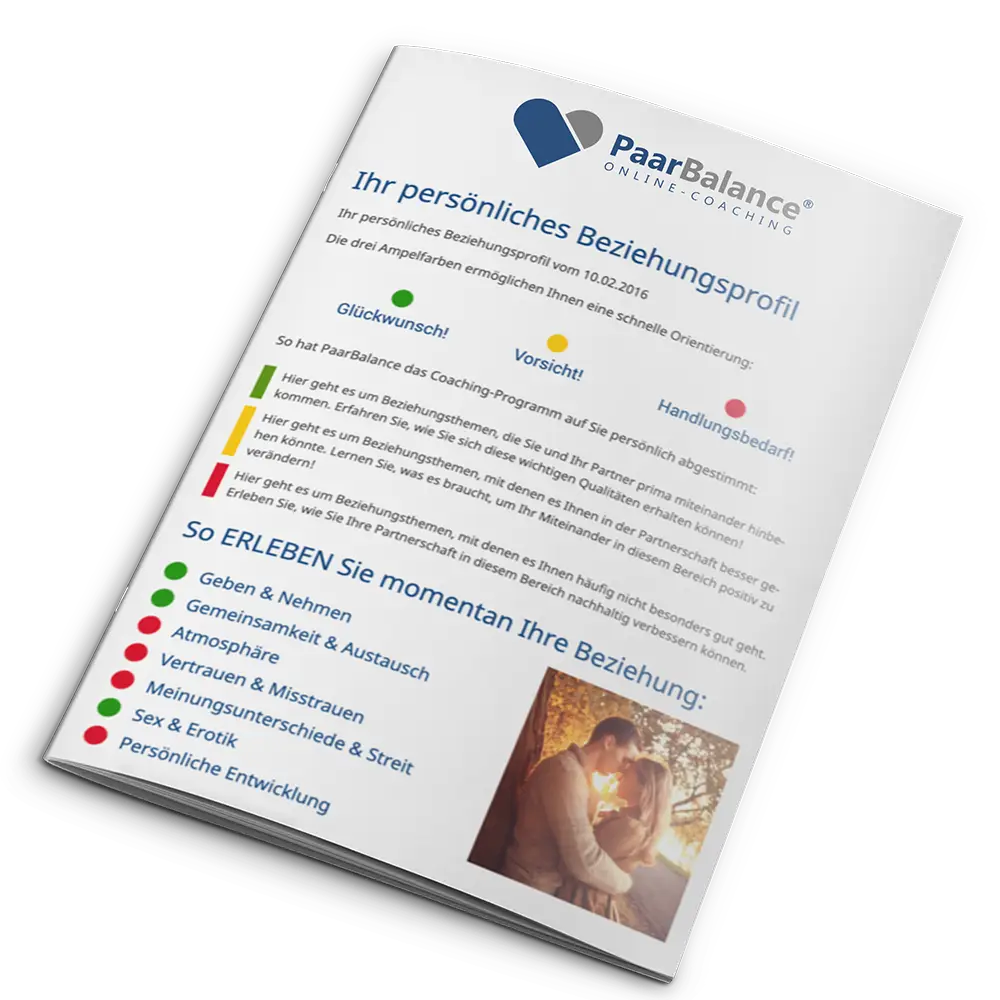
You will find out immediately afterwards in your personal PaarBalance relationship profile (free).
Start your relationship test now!
✓ Scientifically sound
✓ Includes detailed analysis
✓ Your data will not be shared
✓ 100% free & non-binding
100% secure. We comply with data protection regulations. Registration for the relationship test is free .
Please read this important information beforehand:
Data Protection ᐧ Terms and Conditions ᐧ General Information Agreement Terms and Conditions . Transparency Statement
Immediately afterwards, you will receive an overview of your most important strengths and weaknesses in relationship management in your personal relationship profile (free of charge and without obligation).
A loss of libido is particularly common after an affair or infidelity by a partner – even if the couple has actually talked things through and made a joint decision to stay in the relationship.
The reason: For the betrayed partner, erotic situations – often even after a long time – awaken memories of the infidelity and the associated loss of trust. This creates negative feelings that are incompatible with carefree, passionate sexuality and stifle libido in its infancy.
In this case, it's important to thoroughly review what happened. Our [service/resource] can help you with that. Audio program “Taboo Topic Affair” to end the emotional chaos, alleviate pain and grief, regain control and finally make the right decisions for you.
Reason 5: Differing sexual desires
If expectations , desires and fantasies regarding shared sexuality do not match and sexual encounters remain unsatisfactory (for one or both), this can understandably trigger or maintain a lack of sexual desire.
Even if it's difficult for many at first, it's so worthwhile to talk to your partner as openly as possible about your erotic fantasies (and—carefully—also about things that don't feel good or aren't fun in bed). Only in this way can you align your needs and discover what you both enjoy. And in all likelihood, your partner will be immensely happy to know what pleases you, because: hardly anything is more arousing (and satisfying...) than feeling how you succeed in arousing desire in a loved one. Therefore, there's a very good chance that your partner will try to act on what you confide in them.
I'm not in the mood for sex anymore! - So what now?
Realizing that you haven't felt the desire for intimacy with your partner for months or even years can be very unsettling – especially if you genuinely love each other. Often, agonizing questions arise, such as:
- Is there something wrong with me (anymore)?
- Is our relationship doomed to fail if something doesn't change soon?
- Will my partner still love me if I continue to have no desire for sex in the future?
- Is there already a risk that my husband/wife will cheat on me (or, in the worst case, leave me)?
One's self-esteem can suffer enormously when faced with such questions and doubts – and the partner can also feel unloved and unattractive if they sense that they are no longer desired.
Loss of libido is often interpreted as a "sign of a bad relationship." After a prolonged period without sex, which is not desired by one or both partners, thoughts of separation almost inevitably arise. Some people affected by this don't want to subject their (otherwise beloved) partner to a long-term relationship without sex. This can even lead to them considering ending the relationship. Others hope to experience renewed passion with new partners. Although fulfilling sexuality can be an important part of a happy partnership, it would be regrettable to end an otherwise enriching and well-functioning relationship simply because of a lack of sex . After all, this would also mean losing all the positive aspects such as emotional support, shared achievements, future plans, and intimate feelings. At the same time, there is no guarantee that loss of libido will automatically disappear in a new relationship.
Therefore, the causes of low libido should be understood and addressed together with one's partner. This can improve quality of life (and potentially save the relationship in the long run).
The following measures can help. Just take your time to see what might be "right" for you (both of you).
Tip 1: Consult a doctor
If you have been experiencing a loss of libido for some time and have no explanation for it, it is advisable to have possible physical and psychological causes investigated . To do this, first make an appointment with your family doctor. Most people find it difficult to talk to a doctor about a sexual problem – but this is the only way to identify the triggers and successfully treat any underlying medical conditions . In addition to a physical examination, you should also discuss your mental health with your family doctor, as well as the effects of any medications you are currently taking or planning to take.
Don't take your doctor's recommendations lightly: They may suggest a follow-up examination with a specialist. Especially when a psychological cause such as depression is suspected, these appointments are often neglected for extended periods – by both women and men. As a result, mental health conditions go undetected and untreated – the loss of libido, along with a range of other symptoms, persists and diminishes quality of life .
If a physical or psychological cause can be identified, your family doctor or a relevant specialist will work with you to plan promising treatment measures.
This also applies if your age plays a role in the loss of libido (e.g., due to menopause in women or an age-related hormonal imbalance in men). Taking medications that contain the relevant hormones or promote their production in the body can rekindle sexual desire .
Tip 2: Reduce stress
If the doctor does not find any physical or mental illness that could have directly caused the loss of libido, many people initially find this sobering:
They worry that no treatable cause will be found and that they may have to continue living with their lack of sexual desire. This can trigger intense feelings of stress and exacerbate the problem ("fear of fear").
Try to reduce stress wherever possible. This is often easier said than done. The many challenges of everyday life often make it difficult to carve out moments of relaxation into our tightly scheduled routines . As we saw earlier, however, stress is frequently responsible for significantly dampening sexual desire and triggering sexual dysfunctions. Stress reduction can usually lessen or even eliminate these consequences considerably. Even if stress isn't the primary cause of the sexual problem , relaxation can contribute to overall well-being and thus to a more loving relationship, indirectly increasing intimacy and libido.
In which areas of your life do you potentially experience stress : At work? In your (extended) family? Caring for relatives? Regarding childcare? Because of housework?
Consider (ideally together with your partner) how you could reduce your stress levels and create more opportunities for relaxation. Exercise, sports, a healthy diet, or specific relaxation techniques can also make an important contribution.
Tip 3: Implement a sex ban
It sounds paradoxical: a sex ban to improve one's sex life? Yes, it actually works. If a couple suffers from sexual problems (which include loss of libido), sex therapists often recommend a strict, temporary sex ban.
Das hat vor allem einen Zweck: Ein Verbot nimmt Druck, der nach längerer Flaute häufig entsteht und die Libido erst recht lähmt. Hat ein Mensch seit längerem kein Verlangen mehr nach Erotik, kommen schon beim Kuscheln schnell die Gedanken auf, der Partner würde als nächstes vermutlich (guten) Sex erwarten. Das erzeugt Stress – und der erstickt jede aufkommende Lust sofort.
Wie sieht ein Sexverbot konkret aus? Die Regeln sind ebenso einfach wie effektiv: Versuchen Sie, einander nah zu kommen, berühren Sie sich, kuscheln Sie, streicheln Sie sich - aber haben Sie während einer vorher vereinbarten Zeit keinen Sex. Genießen Sie stattdessen entspannt jede andere Form der Zweisamkeit. Viele Frauen und Männer stellen fest, dass die „Lust auf Mehr“ in dieser Zeit ganz von selbst (wieder) aufkommt und sich beide schließlich darauf freuen, wenn die sexfreie Zeit endlich abgelaufen ist.
Tipp 4: Verbessern Sie Ihre Beziehungsqualität
Wenn Ihr Beziehungs-Check
ergeben hat, dass es größere Problembereiche in Ihrer Partnerschaft gibt, sollten Sie diese schnellstmöglich angehen. Besprechen Sie, was Sie sich von der Beziehung wünschen. Achten Sie darauf, in diesem Gespräch keine Vorwürfe zu machen, sondern Ihre Wünsche als Ich-Botschaften zu formulieren. Geben Sie auch Ihrer/m Liebsten Raum, die eigenen Bedürfnisse und Erwartungen zu formulieren. Überlegen Sie anschließend gemeinsam, was es braucht, um den Wünschen von Ihnen beiden gerecht zu werden.
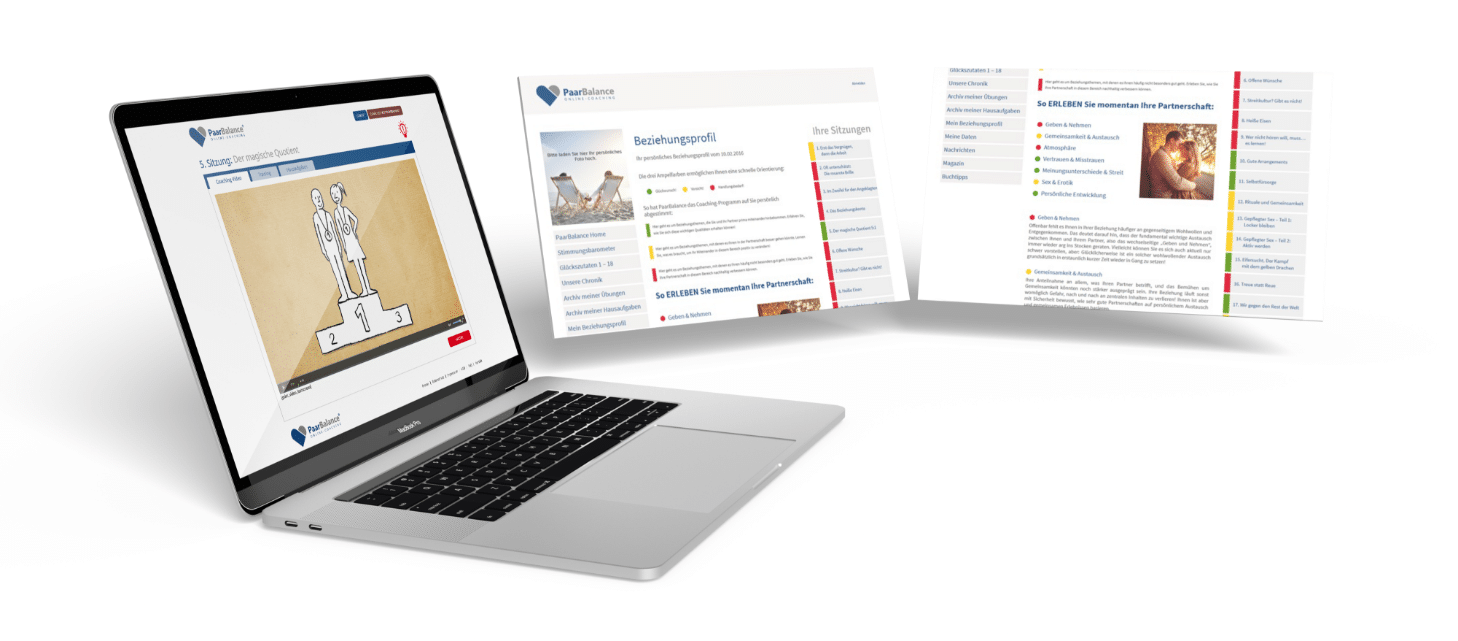
Dabei kann das PaarBalance Online-Coaching schnell und quasi "barrierefrei" helfen, rund um die Uhr, ohne Wartezeiten und direkt von Zuhause aus. PaarBalance ist das einzige wissenschaftlich überprüfte, interaktive Online-Coaching zur Verbesserung von Paarbeziehungen im deutschsprachigen Raum, das auch von einem Partner alleine durchgeführt werden kann. Das heißt: Sie können das Tool auch dann nutzen, wenn der Mann oder die Frau Ihres Herzens (noch) nicht bereit ist, das Thema "Beziehung verbessern" selbst aktiv anzugehen.
In 18 Einheiten werden die bewährtesten Anregungen aus der Partnerschaftsforschung humorvoll vermittelt. Sie erfahren, wie Sie in kürzester Zeit zu mehr Leichtigkeit, Zufriedenheit und Freude im täglichen Umgang miteinander finden können. Jede PaarBalance-Sitzung besteht aus einem Coaching-Video, daran anschließende Übungen sowie Hausaufgaben, mit denen Sie das Gelernte sofort in Ihren Beziehungsalltag integrieren können. Hier erfahren Sie mehr: www.paarbalance.de/coaching.
Möglicherweise werden Sie feststellen, dass bei Ihnen beiden ein besonders hartnäckiges Problem vorliegt, für dessen Lösung Sie sich persönliche 1-zu-1-Unterstützung wünschen. Dann kann eine Beratung oder eine Therapie bei einem erfahrenen Paartherapeuten vor Ort (oder ggf. auch in einem Online-Setting) der nächste Schritt sein.
Tipp 5: Seien Sie offen für unkonventionelle Ideen
Wenn wenig oder kein Interesse an Sex mit dem Partner besteht, kann es helfen, die erotischen Begegnungen völlig neu zu gestalten und Abwechslung ins Schlafzimmer zu bringen. Besprechen Sie gemeinsam, was Ihnen helfen könnte. Seien Sie dabei ruhig kreativ. Auch scheinbar „verrückte“ Ideen sind erwünscht. Sexualität zu gestalten, ist ein dynamischer Prozess.
Möchten Sie andere sexuelle Spielarten testen? Neue Orte für Ihre erotischen Abenteuer ausprobieren? Könnte eventuell eine offene Beziehung ein passendes Konzept für Sie beide sein?
Im gemeinsamen Gespräch sind erst einmal alle Überlegungen erlaubt. Stellen Sie dann aber sicher, dass Sie sich beide mit einem Vorschlag wohlfühlen, bevor Sie ihn testen. Lassen Sie sich niemals auf eine Idee ein, die Ihnen zutiefst widerstrebt, nur um dem anderen einen Gefallen zu tun – das gilt besonders für Beziehungskonzepte wie eine offene Partnerschaft. Hier ist es wichtig, dass sich beide Partner dasselbe wünschen. Ist das der Fall, kann eine bestehende Partnerschaft im positiven Sinne "aufgemischt werden". Ist ein Beziehungspartner jedoch unglücklich mit der Veränderung, wird das der Beziehung mehr schaden als nutzen.
Tipp 6: Machen Sie eine Sexualtherapie
In Ihrer Beziehung gibt es keine weiteren 'großen' Konfliktthemen? Die Anregungen aus bisher genutzten Quellen (Lektüre, Podcasts, Videos...) haben nicht zu einer Verbesserung der Situation geführt? Dann lohnt es sich, den Bereich Sexualität noch genauer zu beleuchten:
- Haben Sie beide ähnliche Wünsche, Bedürfnisse und Leidenschaften?
- Gibt es große Unterscheide darin, wie Sie sich sinnliche Begegnungen vorstellen?
- Sind Ihre Bedürfnisse schon seit längerem ungestillt?
- Ist es Ihnen wichtig, die Bedürfnisse Ihres Partners zu erfüllen, die Ihnen eigentlich unangenehm sind?
- Liegen vielleicht unbewusste Ursachen dafür vor, dass Sexualität mit negativen Gefühlen verbunden ist statt mit angenehmem Lustempfinden?
- usw.
Gehen Sie all dem auf den Grund! In einer Sexualtherapie lassen sich solche Themen detailliert aufarbeiten und gemeinsame Lösungen finden.
Zertifizierte Sexualtherapeuten haben eine spezielle Ausbildung. Sie ergreifen nicht Partei für einen Partner und drängen niemals zu Veränderungen, die Sie nicht wünschen. Vielmehr unterstützen sie dabei, die Erwartungen und Bedürfnisse beider Partner auf einen Nenner zu bringen, so dass die Chancen steigen, dass Sex (wieder) als erfüllend erlebt wird.
Vielfältige Ursachen – individuelle Lösungen
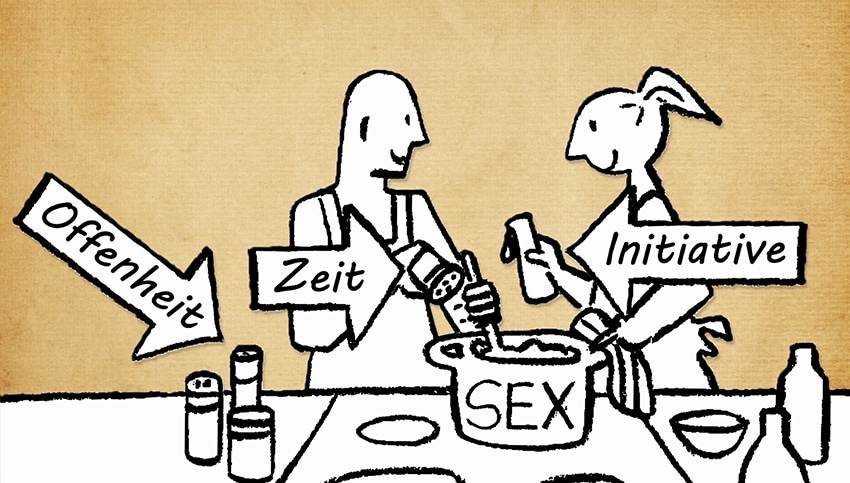
In any case, one thing is certain: there are no universally applicable standards for a "good sex life" in a relationship. What's important is that both partners are satisfied with their sexuality – because that's a crucial component of a happy partnership.
I wish you all the best for you and your relationship!
Yours sincerely, Dr. Judith Gastner
☝🏻 Related articles on the topic of "loss of libido"
Frequently asked questions about loss of libido
Are fluctuations in sexual desire normal?
Yes. Fluctuations are perfectly normal, especially in long-term relationships. Generally, sexual passion diminishes noticeably over time (and with increasing age).
When is a loss of libido considered to have occurred?
If there is (almost) no desire for sex over a period of six months, experts refer to this as a disorder called "loss of libido." This can have various causes. To successfully address a lack of sexual desire, it's essential to understand these reasons.
Should I see a doctor if I experience a loss of libido?
If you experience a loss of libido for no apparent reason, it is advisable to consult a doctor. A specialist should investigate possible physical and psychological causes. Various medications can also negatively affect libido, for example, by impacting certain hormones, which can lead to a loss of sexual desire.
What are the most common reasons for loss of libido?
Besides hormonal imbalances (e.g., due to menopause in women), mental health conditions such as depression can also play a role in loss of libido. If a psychological cause is present, treating the underlying condition can resolve the loss of libido.
What influence does stress have on libido?
A common trigger for low libido is stress. Try to reduce stressors in your life. In many cases, however, the main cause of low libido is not (only) due to external stress, but rather to conflicts within the partnership (relationship stress). Examine the state of your relationship. Improve and nurture your partnership.